
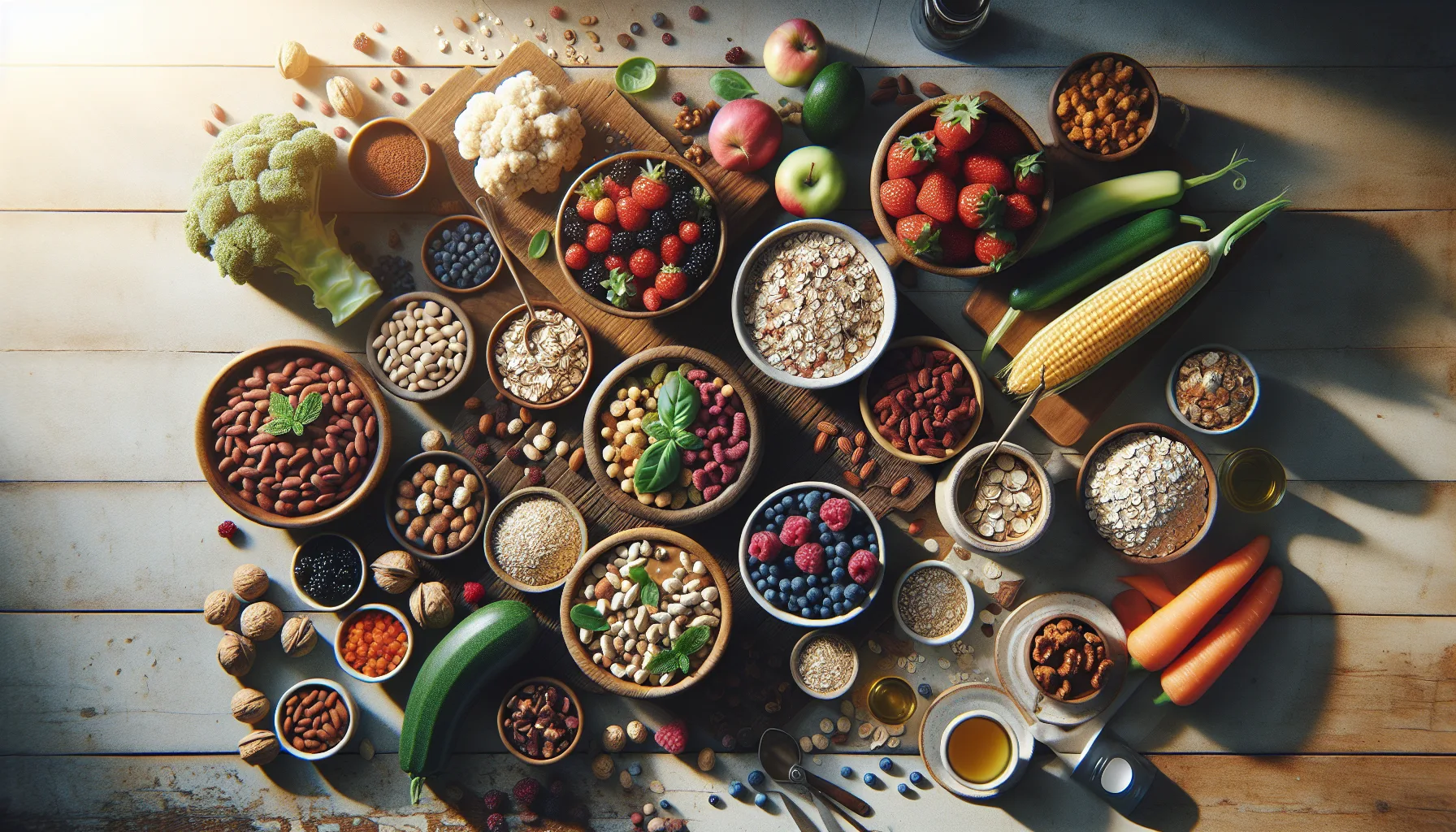
If hunger is constantly derailing your healthy eating goals, high-fiber recipes might be the game-changer you need. Fiber slows digestion, stabilizes blood sugar, and triggers fullness hormones — meaning you eat less without feeling deprived. A 2022 study published in the Journal of Nutrition found that adults who increased their daily fiber intake by just 8 grams lost an average of 4.4 pounds over a 6-month period without changing anything else. The best part? Getting more fiber is as simple as knowing what to cook.
Key Takeaways
- Most Americans get only 15 grams of fiber per day — far below the recommended 25–38 grams.
- High-fiber meals slow digestion and reduce hunger hormones, making weight management easier.
- Legumes, whole grains, vegetables, and seeds are your most powerful fiber sources.
- Pairing fiber with protein maximizes satiety — a winning combo for all-day fullness.
Why High-Fiber Recipes Are Your Best Tool for Staying Full
Dietary fiber works in two key ways. Soluble fiber dissolves in water to form a gel-like substance that slows stomach emptying, keeping you satisfied for hours. Insoluble fiber adds bulk to your meals and speeds up digestion, reducing bloating and keeping your gut healthy. Together, they create a powerful satiety effect that no supplement can replicate. If you’re already pairing this approach with smart protein choices, you’re setting yourself up for real, sustainable results.
How Much Fiber Do You Actually Need?
The USDA recommends 25 grams per day for women and 38 grams per day for men. Yet studies show the average American consumes only about 15 grams daily. Closing that gap doesn’t require a major diet overhaul — it just requires smarter recipe choices.
5 High-Fiber Breakfast Recipes to Start Your Day Right
Breakfast is the perfect opportunity to front-load your fiber intake. Starting with a high-fiber meal reduces total calorie consumption throughout the rest of the day, according to a 2021 study in Appetite.
1. Overnight Chia Oat Pudding
Combine ½ cup rolled oats, 2 tablespoons chia seeds, 1 cup unsweetened almond milk, and a handful of fresh berries. Refrigerate overnight. This breakfast packs approximately 14 grams of fiber and keeps blood sugar stable for hours. Chia seeds alone provide 10 grams of fiber per ounce, making them one of the most fiber-dense foods on the planet.
2. Black Bean Veggie Scramble
Sauté spinach, bell peppers, and onions with ½ cup black beans, then scramble in two eggs. Season with cumin and smoked paprika. This savory breakfast delivers around 11 grams of fiber alongside high-quality protein — a combination that research consistently links to reduced midday snacking. For more breakfast inspiration, check out these high-protein breakfast recipes for weight loss.
High-Fiber Lunch and Dinner Recipes That Satisfy
The middle and end of your day are where hunger cravings tend to spike. These high-fiber recipes for lunch and dinner are designed to shut those cravings down for good.
3. Lentil and Sweet Potato Soup
This hearty soup combines 1 cup green lentils, 2 diced sweet potatoes, canned tomatoes, onion, garlic, and vegetable broth with cumin and turmeric. One generous bowl delivers roughly 18 grams of fiber. Make a big batch on Sunday and you’ll have filling lunches ready for the week. For more batch-cooking strategies, visit our Meal Prep Sunday guide.
4. Quinoa and Roasted Vegetable Bowl
Roast a mix of broccoli, Brussels sprouts, and chickpeas with olive oil and garlic. Serve over ¾ cup cooked quinoa and drizzle with tahini dressing. This bowl provides 13–15 grams of fiber and is easy to customize with whatever vegetables you have on hand.
5. White Bean and Kale Stew
Simmer two cans of white beans with chopped kale, diced tomatoes, garlic, rosemary, and low-sodium chicken broth for 25 minutes. This simple stew offers 16 grams of fiber per serving and feels incredibly hearty despite being low in calories.
| Recipe | Fiber (per serving) | Key Ingredients |
|---|---|---|
| Overnight Chia Oat Pudding | 14g | Oats, chia seeds, berries |
| Black Bean Veggie Scramble | 11g | Black beans, spinach, eggs |
| Lentil & Sweet Potato Soup | 18g | Lentils, sweet potato, tomatoes |
| Quinoa & Roasted Veggie Bowl | 14g | Quinoa, broccoli, chickpeas |
| White Bean & Kale Stew | 16g | White beans, kale, tomatoes |
Smart Tips for Boosting Fiber in Any Recipe
You don’t always need a brand-new recipe to increase your fiber intake. These practical swaps can dramatically upgrade any meal:
- Swap white rice for brown rice or quinoa — you’ll triple your fiber intake per serving.
- Add a tablespoon of ground flaxseed to smoothies, oatmeal, or yogurt for an easy 3-gram fiber boost.
- Use lettuce wraps or whole-grain tortillas instead of white flour wraps.
- Stir canned beans into soups, stews, or pasta sauces — they blend in effortlessly and add serious bulk.
- Snack on vegetables with hummus instead of crackers. One cup of raw carrots and 2 tablespoons of hummus provides 5 grams of fiber and under 100 calories — explore more ideas at Healthy Snacks Under 100 Calories.
Watch Out for One Common Mistake
Increasing fiber too quickly can cause bloating and digestive discomfort. Gradually add fiber over 2–3 weeks and make sure to drink plenty of water — aim for at least 8 cups daily. Fiber needs water to do its job properly. If you’re managing a calorie deficit alongside this, high-fiber foods are your best ally for staying satisfied.
Conclusion
Building your diet around high-fiber recipes is one of the simplest, most research-backed strategies for losing weight and staying full without constant hunger. From a warming lentil soup to a colorful quinoa bowl, the options are delicious, affordable, and endlessly flexible. Start with one or two of these recipes this week and build from there — your hunger levels, waistline, and energy will all thank you.
Frequently Asked Questions
How much fiber do I need per day to feel full?
The USDA recommends 25 grams of fiber daily for women and 38 grams for men. Most Americans only get about 15 grams, so gradually increasing toward these targets can make a significant difference in hunger and weight management.
What are the highest-fiber foods I can add to recipes?
The top high-fiber foods include lentils (15.6g per cup), black beans (15g per cup), chia seeds (10g per ounce), split peas (16g per cup), and cooked artichokes (10g each). Adding any of these regularly to your meals will dramatically boost your daily fiber intake.
Can eating more fiber really help with weight loss?
Yes. A 2022 study in the Journal of Nutrition found that increasing fiber intake by 8 grams per day led to an average loss of 4.4 pounds over 6 months. Fiber slows digestion, stabilizes blood sugar, and reduces hunger hormones, all of which support weight loss.
Why does eating more fiber cause bloating, and how can I avoid it?
Bloating happens when gut bacteria ferment fiber, especially if your body isn’t used to it. To avoid discomfort, increase your fiber intake gradually over 2–3 weeks and drink at least 8 cups of water per day. Your digestive system will adapt within a few weeks.
Are high-fiber recipes good for people over 40?
Absolutely. As metabolism slows after 40, fiber becomes even more important for managing weight, blood sugar, and cholesterol. High-fiber meals help maintain satiety on fewer calories, which is especially helpful for adults navigating the hormonal and metabolic shifts that come with age.