
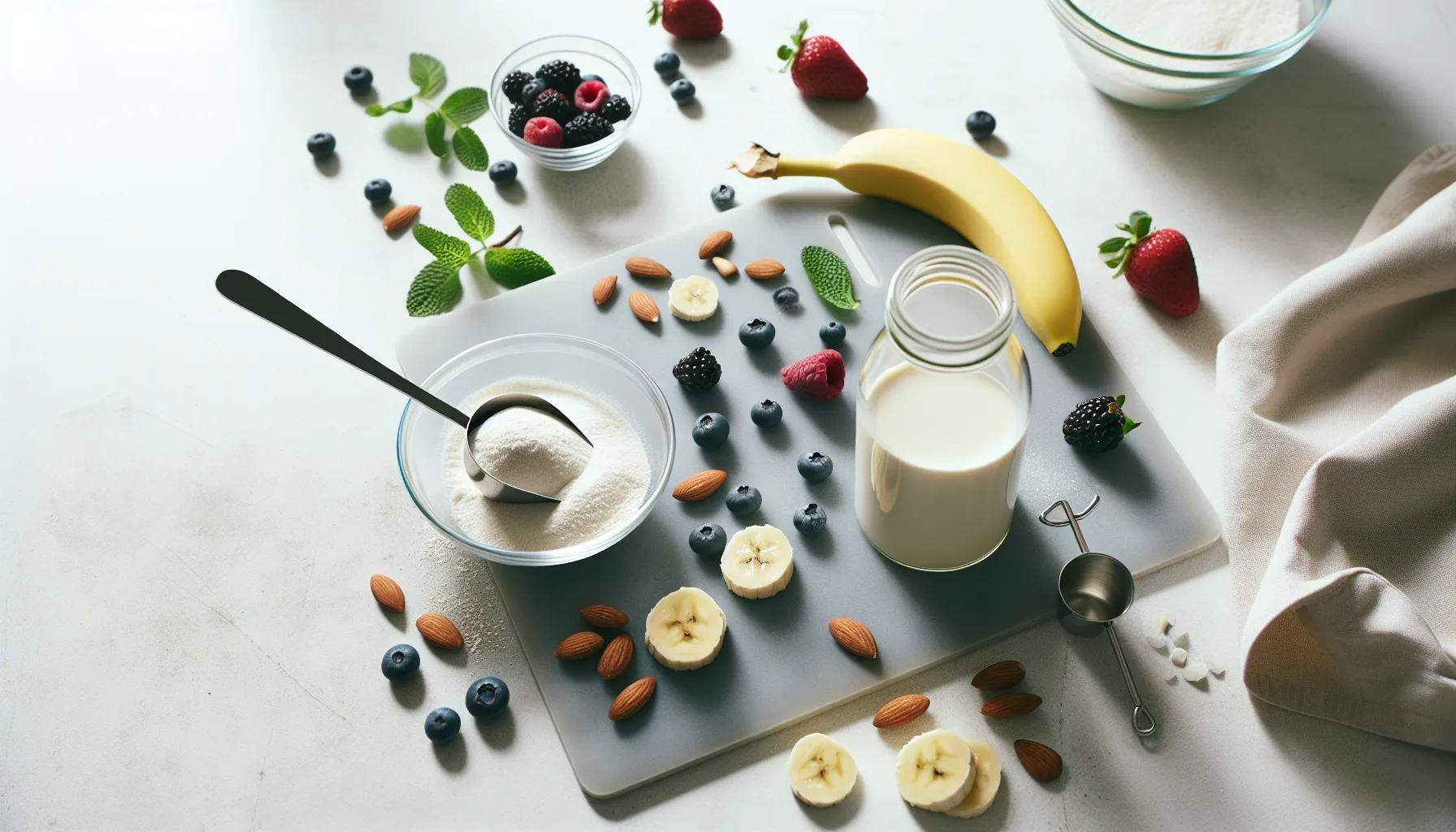
If you’ve been searching for a smarter way to manage hunger, preserve muscle, and drop body fat, protein powders for weight loss might be one of the most practical tools you can add to your routine. With dozens of options on store shelves, choosing the right one can feel overwhelming — but the science makes it simpler than you’d think. Here’s what you need to know to pick a powder that actually works for your goals.
Key Takeaways
- High-protein diets help reduce hunger hormones and preserve calorie-burning muscle mass during weight loss.
- Whey protein isolate, casein, and plant-based blends are among the most effective options for fat loss.
- Timing, total daily protein intake, and ingredient quality matter more than brand name alone.
- Protein powder works best as a supplement to whole foods — not a replacement for balanced meals.
Why Protein Powders for Weight Loss Actually Work
Protein is the most satiating macronutrient. A 2022 review in Nutrients confirmed that higher protein intake is consistently linked to reduced appetite, lower calorie consumption, and better preservation of lean muscle during a calorie deficit. When you’re cutting calories, holding onto muscle is critical — muscle burns more calories at rest than fat does, keeping your metabolism from slowing down.
Protein powder makes it easy and convenient to hit your daily protein targets, especially on busy days when whole food sources are hard to come by. If you want a deeper dive into how protein supports fat loss, check out this detailed guide on protein and weight loss from GoFitNews.
How Much Protein Do You Actually Need?
Most research supports a target of 0.7 to 1 gram of protein per pound of body weight per day for adults actively trying to lose weight. A 160-pound person, for example, should aim for roughly 112–160 grams daily. A single serving of protein powder typically delivers 20–30 grams, making it a straightforward gap-filler.
The 5 Best Types of Protein Powder for Weight Loss
Not every protein powder is built the same. Here’s how the most popular types stack up when your goal is fat loss:
| Protein Type | Best For | Calories per Serving (avg) | Key Benefit |
|---|---|---|---|
| Whey Isolate | Post-workout recovery | 100–120 | Fast absorption, low fat and carbs |
| Casein | Nighttime use / hunger control | 110–130 | Slow digestion keeps you full longer |
| Pea Protein | Plant-based dieters | 100–120 | High in arginine, dairy-free |
| Hemp Protein | Whole-food seekers | 120–140 | Omega-3 fatty acids included |
| Egg White Protein | Dairy-free, high bioavailability | 100–115 | Complete amino acid profile |
1. Whey Protein Isolate
Whey isolate is the gold standard for most weight loss goals. It’s filtered to remove most of the fat and lactose, leaving a product that’s typically 90%+ protein by weight. It digests quickly, making it ideal right after a workout. A 2021 study in the Journal of the International Society of Sports Nutrition found that whey protein supplementation led to greater fat mass reduction compared to carbohydrate supplementation in adults following a resistance training program.
2. Casein Protein
Casein digests slowly — up to 7 hours — making it an excellent choice before bed or as a meal replacement when you need to stay full for a long stretch. Its thick, pudding-like texture when mixed with less water also helps with satiety. If nighttime snacking is your weak spot, casein may be your secret weapon.
3. Plant-Based Protein Blends
For vegans or those with dairy sensitivities, a blended plant-based protein — typically combining pea, brown rice, and hemp — offers a complete amino acid profile similar to whey. A 2020 study in the Journal of the International Society of Sports Nutrition found that pea protein produced comparable muscle and body composition results to whey in resistance-trained adults. Look for blends that combine at least two plant sources to ensure you’re getting all essential amino acids.
What to Look for on the Label
Marketing can be misleading. Here’s how to cut through the noise when shopping for a protein powder that supports weight loss:
- Protein per serving: Aim for at least 20 grams per serving with minimal fillers.
- Sugar content: Stay under 5 grams of sugar per serving. Many flavored powders sneak in surprising amounts.
- Calorie count: A weight-loss-friendly powder should clock in under 150 calories per serving.
- Ingredient list: Shorter is better. Avoid artificial sweeteners in large amounts if you’re sensitive to digestive issues.
- Third-party testing: Look for NSF Certified for Sport or Informed Sport seals, which verify label accuracy and check for banned substances.
Pair your protein powder routine with smart, balanced meals. Our guide to high-protein low-calorie meals ready in 30 minutes is a great place to start building a day of eating that complements your supplement strategy.
How to Use Protein Powder Effectively for Weight Loss
Timing and context matter just as much as the powder itself. Here are practical, evidence-backed ways to use protein powder to maximize fat loss results:
- Replace high-calorie breakfasts: A protein shake with fruit and greens can save 200–400 calories versus a typical morning meal while keeping you full until lunch.
- Post-workout recovery: Consuming 20–30 grams of whey within 30–60 minutes after exercise supports muscle repair and prevents catabolism.
- Curb afternoon cravings: A small casein or whey shake as an afternoon snack can prevent overeating at dinner.
- Boost protein in recipes: Stir unflavored protein powder into oatmeal, soups, or weight loss smoothies to increase protein without adding extra meals.
Keep in mind that protein powder is a supplement — not a magic fix. Sustainable weight loss still comes down to a consistent calorie deficit and overall dietary quality. Tracking your intake using one of the best weight loss apps can help you stay accountable without obsessing over every bite.
Conclusion
The best protein powders for weight loss are those that fit your dietary needs, help you control hunger, and make it easier — not harder — to hit your daily protein goals. Whether you go with a classic whey isolate after workouts or a slow-digesting casein before bed, the key is consistency and pairing your supplement with a balanced, whole-food diet. Choose a powder with clean ingredients, minimal sugar, and a solid protein-per-calorie ratio, and you’ll have a reliable tool to support your weight loss journey for the long haul.
Frequently Asked Questions
Can protein powder alone help me lose weight?
Protein powder on its own won’t cause weight loss — it needs to be part of a calorie-controlled diet and active lifestyle. However, it makes it significantly easier to hit your daily protein targets, which helps control hunger and preserve muscle during a deficit.
When is the best time to drink a protein shake for weight loss?
The best time depends on your goals. Post-workout is ideal for muscle recovery, while a shake in the morning or afternoon can help control appetite and reduce overall calorie intake throughout the day.
Is whey protein or plant-based protein better for weight loss?
Both can be equally effective for weight loss. Whey isolate is slightly more bioavailable, but research shows high-quality plant protein blends produce comparable fat loss and muscle retention results. Choose based on your dietary preferences and any food sensitivities.
How many protein shakes should I drink per day while trying to lose weight?
Most people benefit from one to two shakes per day, used to fill gaps in whole-food protein intake. More than two shakes daily can crowd out nutrient-dense foods and is generally unnecessary for healthy adults.
Are protein powders safe for women trying to lose weight?
Yes, protein powders are safe for women and can be very effective for weight loss support. Women should look for products with minimal additives, around 20 grams of protein per serving, and no more than 5 grams of sugar per serving.