
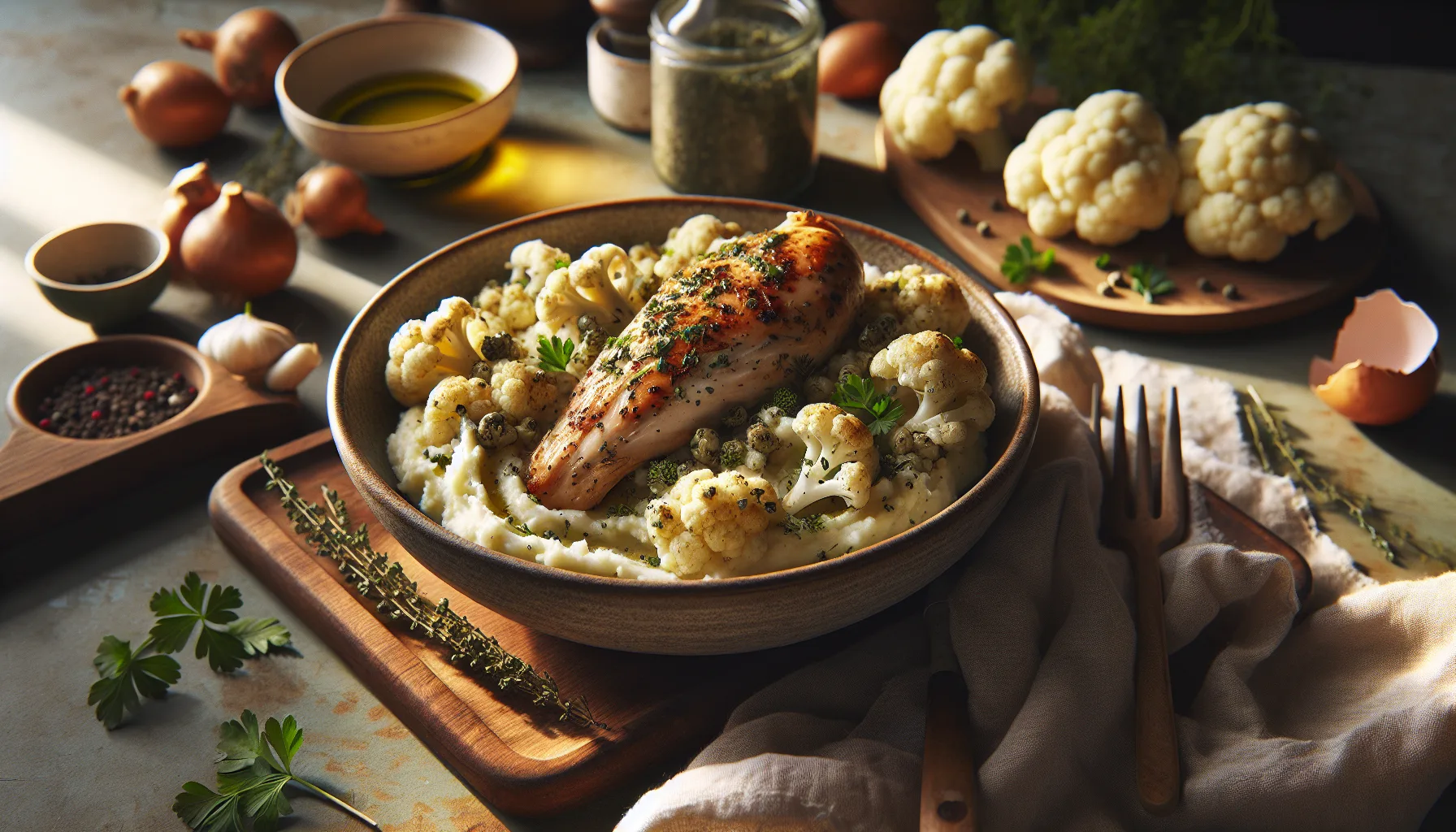
Craving mac and cheese, fried chicken, or a loaded burger doesn’t mean your healthy eating goals are over. Healthy comfort food is entirely achievable with a few smart ingredient swaps and cooking techniques. Research consistently shows that people who feel deprived on their diets are far less likely to stick with them long-term — so learning to lighten up your favorites is one of the most sustainable strategies you can adopt.
Key Takeaways
- Simple ingredient swaps can cut hundreds of calories from classic comfort dishes without sacrificing taste.
- Cooking methods like baking, air-frying, and steaming dramatically reduce fat while preserving flavor.
- Boosting fiber and protein in comfort meals helps you stay full longer and supports weight loss goals.
- Making healthier versions at home puts you in control of sodium, sugar, and portion size.
Why Healthy Comfort Food Swaps Actually Work
The psychology of eating plays a huge role in diet success. A 2022 study in the journal Appetite found that participants who made gradual, familiar food substitutions — rather than overhauling their entire diet — were significantly more likely to maintain healthy eating habits after six months. In other words, working with your cravings instead of against them is a proven strategy.
The key is understanding what makes comfort food so satisfying in the first place: rich textures, deep flavors, and a sense of warmth and familiarity. When you replicate those qualities with lighter ingredients, your brain barely notices the difference — but your waistline does.
If you’re trying to maintain a calorie deficit without going hungry, mastering healthy comfort food cooking is one of your most powerful tools.
8 Proven Comfort Food Makeovers
1. Cauliflower Mac and Cheese
Traditional mac and cheese can pack 500–700 calories per serving. By replacing half the pasta with steamed cauliflower florets and using reduced-fat sharp cheddar, you can cut calories by nearly 40% while keeping that creamy, cheesy satisfaction. A 2021 study in the Journal of Nutrition confirmed that cauliflower is one of the most effective low-calorie volume-adding vegetables because its mild flavor absorbs surrounding sauces beautifully.
2. Baked “Fried” Chicken
Swap deep frying for oven-baking with a panko and spice crust. Coat chicken thighs or drumsticks in a mix of whole-wheat panko breadcrumbs, smoked paprika, garlic powder, and a light spray of olive oil, then bake at 425°F for 35–40 minutes. You’ll save roughly 150–200 calories per serving compared to traditional fried chicken, with far less saturated fat.
3. Turkey and Veggie Meatloaf
Classic beef meatloaf is comfort in a pan — but it’s also dense in saturated fat. Swapping ground beef for lean ground turkey and mixing in finely grated zucchini and carrots adds moisture, cuts fat, and sneaks in an extra serving of vegetables. Grated vegetables also increase fiber content, which research shows is linked to better satiety and long-term weight management.
For more high-protein, lower-calorie dinner ideas, check out these easy 500-calorie dinner recipes that actually satisfy.
4. Greek Yogurt Mashed Potatoes
Traditional mashed potatoes loaded with butter and cream can top 300 calories per half-cup. Replacing butter and heavy cream with plain nonfat Greek yogurt adds a tangy creaminess while boosting protein and cutting calories by up to 35%. Add roasted garlic and chives for extra flavor without extra calories.
5. Zucchini Noodle Pasta
Spiralized zucchini — or “zoodles” — mixed with a portion of whole-grain pasta is a satisfying way to cut carbs and calories while increasing vegetable intake. A half-and-half blend gives you the pasta texture you crave while slashing calories by about 30% per bowl. Top with a hearty tomato meat sauce using lean ground turkey or chicken for a complete, filling meal.
6. Black Bean Burgers
Homemade black bean burgers are packed with fiber and plant-based protein, and they clock in at roughly 250 calories — compared to 500+ for a typical beef burger. Mash black beans with oats, egg, garlic, cumin, and smoked paprika, then pan-fry or bake. Serve on a whole-grain bun with avocado, tomato, and salsa for a satisfying, nutrient-dense meal.
7. Lightened-Up Chicken Pot Pie
Instead of a heavy double crust, top your chicken pot pie filling with a single layer of whole-wheat phyllo dough or a biscuit topping made with Greek yogurt. Use low-sodium chicken broth thickened with a small amount of cornstarch instead of heavy cream. You’ll cut calories roughly in half while keeping the cozy, savory flavors intact.
8. Banana Nice Cream
Blend frozen ripe bananas until smooth for a one-ingredient ice cream alternative that delivers a genuinely creamy texture. At around 100 calories per serving — versus 250–300 for regular ice cream — it’s a dessert swap that feels indulgent without the sugar crash. Add cocoa powder, peanut butter, or frozen berries to customize the flavor.
Smart Cooking Techniques That Make a Difference
The how of cooking is just as important as the what. These techniques consistently deliver big calorie savings:
- Air frying instead of deep frying reduces fat content by up to 75% while maintaining crunch.
- Roasting vegetables at high heat intensifies their natural sweetness, reducing the need for added sugars or sauces.
- Using nonstick cookware with a light mist of olive oil instead of pouring oil directly can save 100+ calories per meal.
- Steaming instead of boiling preserves more water-soluble vitamins and keeps vegetables satisfying without added fat.
- Seasoning aggressively with herbs, spices, citrus, and vinegar compensates for reduced fat and salt.
Building Healthy Comfort Food Into Your Weekly Routine
| Original Dish | Healthy Makeover | Approx. Calories Saved |
|---|---|---|
| Mac and Cheese | Cauliflower Mac and Cheese | ~200 calories |
| Fried Chicken | Baked Panko Chicken | ~175 calories |
| Classic Burger | Black Bean Burger | ~250 calories |
| Mashed Potatoes | Greek Yogurt Mash | ~120 calories |
| Ice Cream | Banana Nice Cream | ~150 calories |
Planning ahead makes it much easier to default to these healthier options when cravings hit. Dedicate a few hours each week to batch-cooking components — roasted vegetables, cooked grains, seasoned proteins — so healthy comfort meals come together quickly on busy weeknights. For a complete system, explore this guide to Meal Prep Sunday to set yourself up for the whole week.
Healthy eating doesn’t have to mean giving up the foods you love most. By mastering a handful of simple swaps and smarter cooking techniques, you can enjoy healthy comfort food that genuinely satisfies — and supports your weight loss and wellness goals at the same time. Start with one or two of the makeovers above this week, and build from there; small, consistent changes are the ones that last.
Frequently Asked Questions
Can healthy comfort food actually taste as good as the original?
Yes — when done thoughtfully. The key is replicating the texture and flavor profile of the original using lighter ingredients. Most people find that after a few weeks, the healthier version tastes just as satisfying as the original.
What’s the easiest comfort food swap to start with?
Greek yogurt mashed potatoes and banana nice cream are among the easiest to start with because they require minimal cooking skill and deliver results that are very close to the originals. Both are great entry points for beginners.
Are these healthy comfort food recipes good for weight loss?
Absolutely. By cutting 150–250 calories per meal without reducing portion size, these makeovers help create a natural calorie deficit — the foundation of sustainable weight loss. Combining them with regular physical activity amplifies results.
How do I make comfort food higher in protein?
Swap ground beef for lean ground turkey or chicken, add Greek yogurt to creamy sauces, incorporate legumes like black beans or lentils, and use cottage cheese blended into pasta sauces. These swaps boost protein without dramatically changing the dish’s flavor or texture.
Is air frying really healthier than deep frying?
Research supports that air frying reduces fat content by 70–80% compared to deep frying, since it uses circulated hot air instead of oil immersion. It’s one of the most effective technique swaps for cutting calories in comfort cooking.