
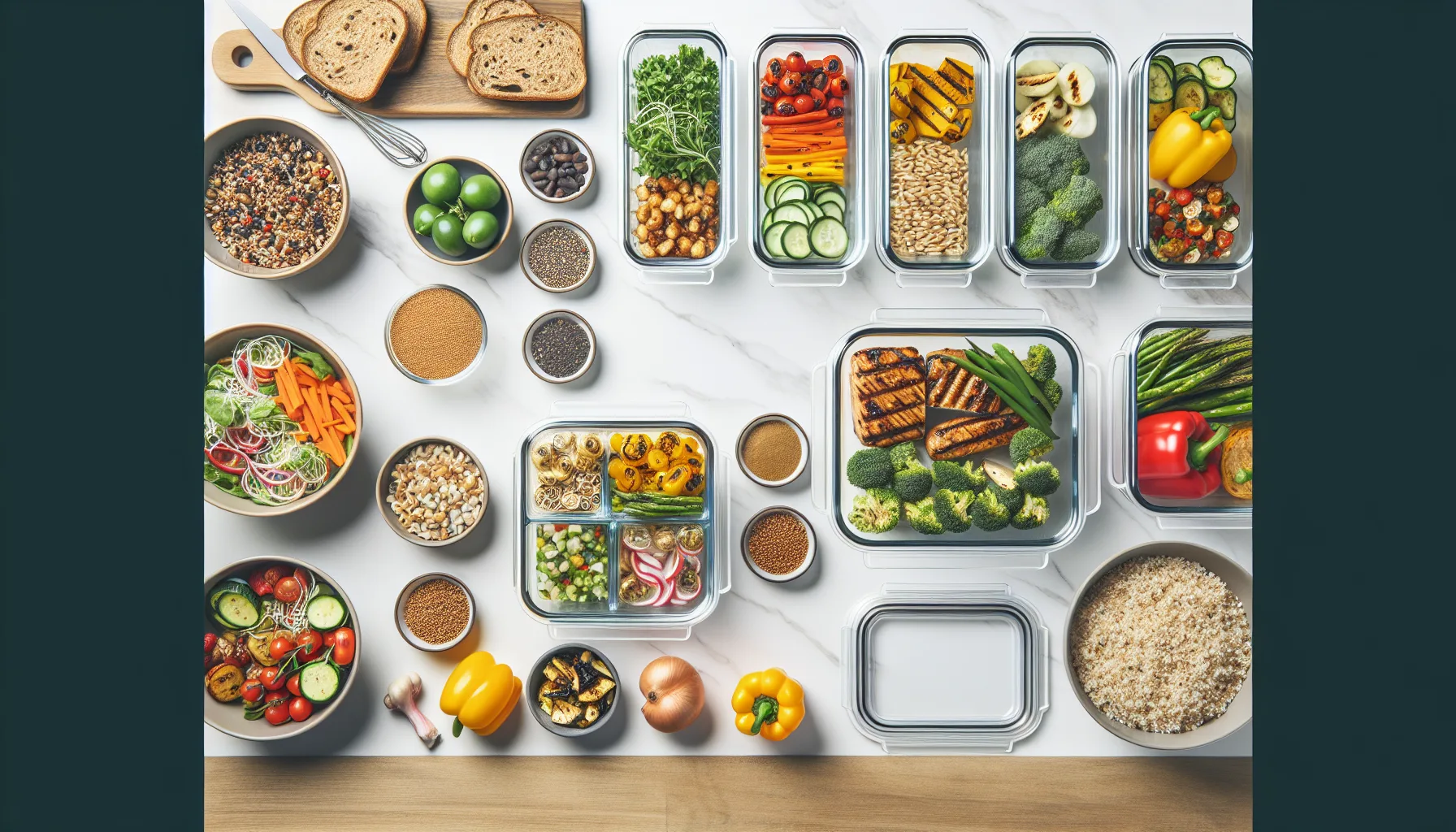
If you’ve been struggling to stick to a healthy eating plan, meal prep containers for weight loss might be the game-changer you’ve been missing. Research consistently shows that people who prepare meals in advance eat fewer calories, make healthier choices, and are more likely to hit their weight loss goals. The right containers don’t just store food — they become tools for portion control, organization, and consistency. Whether you’re a meal prep veteran or just getting started, choosing the best containers is a smart first step.
Key Takeaways
- Portion control is built-in with compartmentalized containers, helping you avoid overeating without counting every calorie.
- Material matters — glass, BPA-free plastic, and stainless steel each have distinct advantages depending on your lifestyle.
- Leak-proof lids and microwave safety are non-negotiable features for busy adults on the go.
- Consistency is key — having the right containers on hand makes it easier to stay on track all week long.
Why Meal Prep Containers for Weight Loss Actually Work
A 2023 study published in the Journal of Nutrition found that adults who engaged in regular meal preparation at home consumed significantly fewer calories per day and had higher diet quality scores than those who didn’t. The psychology is simple: when healthy food is already portioned, packaged, and ready to go, you’re far less likely to reach for something processed or oversized.
Pairing great containers with a solid meal plan — like the strategies in our Meal Prep Sunday: Plan a Full Week of Healthy Eating guide — creates a system that nearly runs itself. When you can grab a prepped lunch or dinner without thinking, you remove the decision fatigue that often leads to poor food choices.
Portion Control Without the Stress
One of the biggest advantages of using compartmentalized containers is that they naturally guide you toward balanced meals. Instead of eyeballing servings, a divided container with separate sections for protein, carbs, and vegetables does the work for you. This is especially useful if you’re aiming for a calorie deficit without feeling hungry, since filling all compartments ensures you’re eating enough of the right foods.
Best Types of Meal Prep Containers: A Quick Comparison
Not all containers are created equal. Here’s a breakdown of the most popular materials and their pros and cons:
| Container Type | Best For | Pros | Cons |
|---|---|---|---|
| Glass | Oven reheating, long storage | Durable, non-toxic, odor-resistant | Heavy, breakable |
| BPA-Free Plastic | Portability, budget shoppers | Lightweight, affordable, many sizes | Can stain, shorter lifespan |
| Stainless Steel | On-the-go, no microwave needed | Extremely durable, eco-friendly | Not microwave-safe |
| Silicone | Flexible storage, snacks | Collapsible, freezer and microwave safe | Less rigid, may absorb odors |
Top Features to Look for in Meal Prep Containers
With hundreds of options on the market, knowing what features matter most will help you make a smart purchase. Here are the most important qualities to prioritize:
- Leak-proof lids: Essential for soups, sauces, and dressings. Look for snap-lock or silicone-sealed lids.
- Microwave and dishwasher safety: Saves time and makes reheating effortless. Always confirm BPA-free labeling for plastic containers.
- Compartment dividers: Ideal for keeping proteins, carbs, and veggies separate — and for visual portion guidance.
- Stackability: Containers that nest or stack uniformly save fridge and cabinet space.
- Clear lids: Being able to see your food at a glance encourages you to actually eat what you prepped.
- Freezer compatibility: Allows you to batch cook and store meals for two or more weeks at a time.
Recommended Meal Prep Container Sets for 2026
Here are five highly rated options that balance quality, value, and weight-loss-friendly features:
1. Glass Containers with Snap-Lock Lids
Borosilicate glass sets remain a top choice for health-conscious meal preppers. They’re oven-safe up to 425°F, microwave-safe without the lid, and resist staining from tomato-based sauces and curries. Brands like Pyrex and OXO offer reliable sets in multiple sizes. Great for prepping meals like the ones in our Easy 500-Calorie Dinner Recipes guide.
2. Divided BPA-Free Plastic Containers
Divided plastic containers — such as the popular Prep Naturals or Freshware sets — are lightweight and budget-friendly, making them ideal for carrying lunches to work. The three-compartment design naturally encourages a balanced plate: one large section for vegetables, one for protein, one for a healthy carb.
3. Stainless Steel Bento Boxes
For those avoiding plastic entirely, stainless steel bento boxes are a premium choice. They’re incredibly durable and don’t absorb flavors or smells. The trade-off is that they can’t go in the microwave, so they work best for cold meals like salads — perfect when paired with ideas from our Best Salads for Weight Loss guide.
4. Silicone Collapsible Containers
These space-saving containers are perfect for snacks and smaller portions. They collapse flat when empty, making them great for travel and small kitchens. Look for food-grade platinum silicone options that are free from fillers.
5. Large Batch-Prep Containers
For storing bulk cooked items like rice, quinoa, or roasted vegetables, a 4–6 quart glass or BPA-free plastic container is a must. These work in tandem with your individual meal containers and cut down weekly prep time dramatically.
How to Build a Weight-Loss Meal Prep System That Sticks
Containers are just one piece of the puzzle. To maximize results, build a complete system around them:
- Pick a prep day: Sunday is popular, but any consistent day works. Block out 1–2 hours.
- Plan your meals first: Decide what you’ll eat for the week before you shop. Use calorie and protein targets as a guide — our article on High-Protein Low-Calorie Meals Ready in 30 Minutes is a great starting point.
- Batch cook staples: Cook large amounts of proteins (chicken, turkey, eggs), grains, and roasted vegetables that can be mixed and matched throughout the week.
- Label your containers: Use masking tape or a dry-erase marker to note the date and calorie count. This reduces guesswork and food waste.
- Store strategically: Put ready-to-eat meals at eye level in the fridge so they’re the first thing you reach for.
The right meal prep containers for weight loss won’t do the work for you — but they remove enough friction from healthy eating that consistency becomes genuinely easier. Investing in a quality set of containers that match your lifestyle is one of the most practical, cost-effective steps you can take toward your health goals. Start simple, stay consistent, and let your containers do the heavy lifting.
Frequently Asked Questions
How many meal prep containers do I need for weight loss?
Most adults need at least 10–14 containers to cover a full week of meals without daily washing. Aim for a mix of small (snacks), medium (lunches), and large (dinners) sizes to handle variety throughout the week.
Are glass or plastic meal prep containers better for weight loss?
Both can work well, but glass containers are generally preferred for health-conscious users because they’re non-toxic, don’t absorb odors or stains, and are safe for oven reheating. BPA-free plastic is lighter and more affordable, making it better for portability.
Can meal prep containers help with portion control?
Yes — compartmentalized containers are especially effective because they physically separate food groups and limit how much you can fit in each section. This built-in portion guidance makes it easier to manage calorie intake without obsessive measuring.
How long does prepped food stay fresh in containers?
Most cooked meals stay fresh in the refrigerator for 3–5 days when stored in airtight containers. For longer storage, freeze individual meals and thaw as needed — most foods freeze well for up to 3 months.
Are silicone meal prep containers safe to use?
Yes, food-grade platinum silicone containers are considered safe and are free from BPA and other harmful chemicals. They are microwave, dishwasher, and freezer safe, making them a versatile option for meal preppers.