
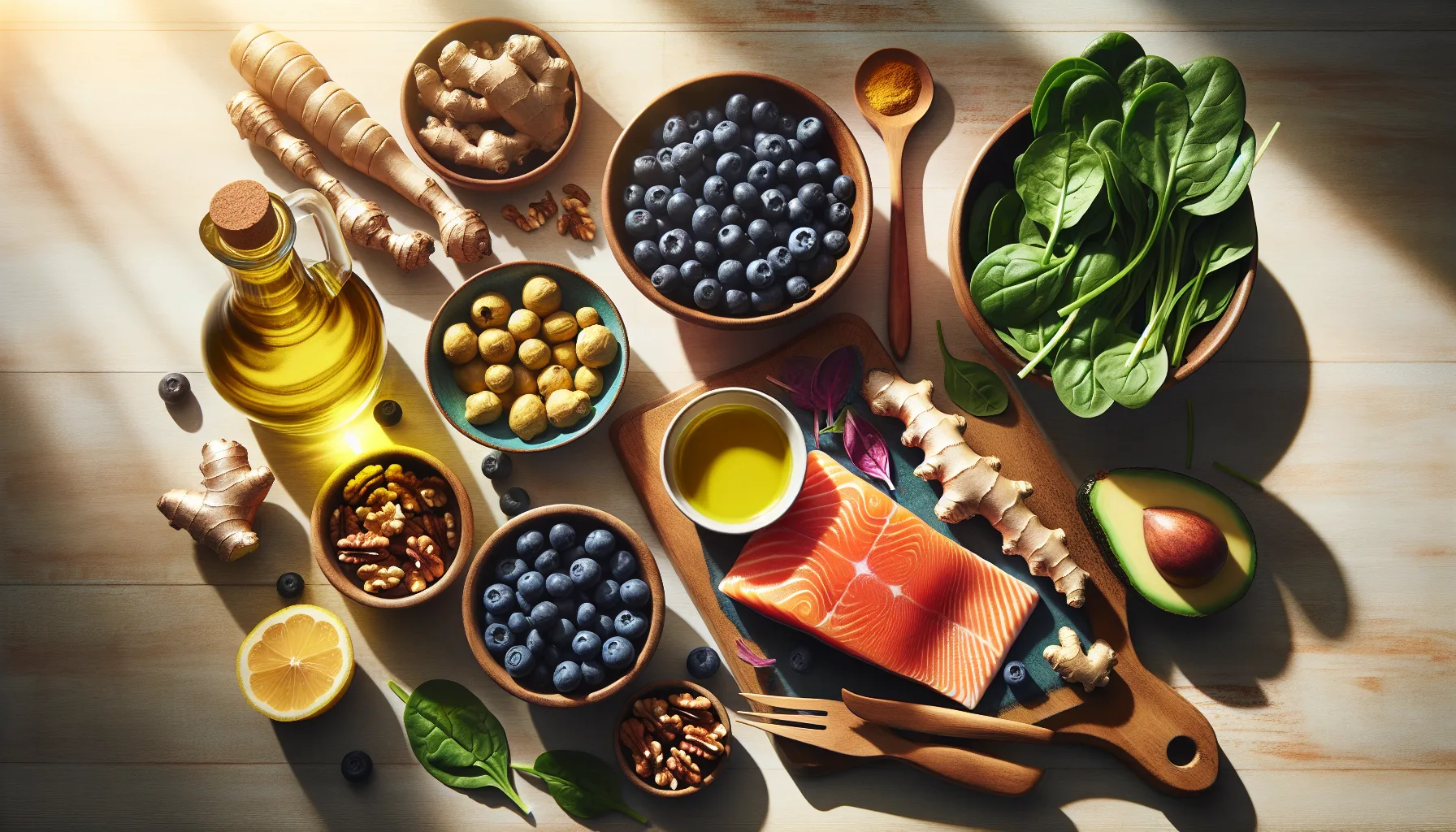
If you’ve been feeling sluggish, struggling with stubborn weight, or dealing with nagging aches and pains, anti-inflammatory foods might be the missing piece in your diet. Chronic, low-grade inflammation is quietly linked to conditions like obesity, heart disease, type 2 diabetes, and even depression — and what you eat every day plays a powerful role in either fueling or fighting it.
Key Takeaways
- Chronic inflammation can contribute to weight gain and serious long-term health conditions.
- Certain foods — like fatty fish, berries, leafy greens, and olive oil — actively reduce inflammatory markers in the body.
- Swapping processed foods for whole, nutrient-dense options is one of the most effective dietary changes you can make.
- Consistently eating anti-inflammatory foods supports not just inflammation reduction, but also better energy, digestion, and weight management.
Why Anti-Inflammatory Foods Matter for Your Health
Inflammation isn’t always bad. Short-term inflammation helps your body heal from injuries and fight infections. The problem is chronic inflammation — a prolonged, low-level immune response often triggered by poor diet, stress, lack of sleep, and sedentary habits. A 2022 review published in Nature Medicine found that diet-driven inflammation is one of the leading contributors to preventable chronic disease worldwide.
The good news? What you eat can shift your body from an inflammatory state to an anti-inflammatory one — sometimes within just a few weeks. And as a bonus, many of the most powerful anti-inflammatory foods also support healthy weight loss by keeping you full, stabilizing blood sugar, and reducing fat-storing hormones.
The Best Anti-Inflammatory Foods to Add to Your Diet
1. Fatty Fish
Salmon, sardines, mackerel, and tuna are among the richest sources of omega-3 fatty acids — specifically EPA and DHA — which are clinically proven to lower levels of inflammatory markers like C-reactive protein (CRP). A 2021 study in the Journal of the American Heart Association found that people who ate fatty fish at least twice a week had significantly lower inflammatory biomarkers than those who didn’t.
How to use it: Aim for two to three servings per week. Try baked salmon over a spinach salad, or sardines on whole-grain crackers for a quick, filling snack. For easy weeknight ideas, check out these easy 500-calorie dinner recipes that actually satisfy.
2. Berries
Blueberries, strawberries, raspberries, and blackberries are loaded with anthocyanins — a class of antioxidants that give berries their color and actively suppress inflammatory pathways. A 2023 study in the Journal of Nutrition found that daily blueberry consumption reduced inflammation markers in overweight adults by up to 25% over six weeks.
How to use it: Toss a handful into oatmeal, blend them into a smoothie, or mix them into plain Greek yogurt. They’re also a natural fit in a weight loss smoothie that doubles as an anti-inflammatory powerhouse.
3. Leafy Green Vegetables
Spinach, kale, Swiss chard, and arugula are packed with vitamin K, folate, and polyphenols — all of which help switch off pro-inflammatory genes. Dark leafy greens are also high in fiber, which feeds beneficial gut bacteria and helps regulate the gut-immune connection that governs systemic inflammation.
How to use it: Use spinach as a salad base, add kale to soups and stews, or sauté Swiss chard with garlic and olive oil as a side. Building more greens into your lunch routine is easier than you think — these best salads for weight loss are a great place to start.
4. Extra Virgin Olive Oil
A cornerstone of the Mediterranean diet, extra virgin olive oil (EVOO) contains a compound called oleocanthal, which works similarly to ibuprofen in blocking inflammatory enzymes. Regular EVOO consumption is linked to lower levels of interleukin-6 and CRP — two key inflammation markers.
How to use it: Use EVOO as your go-to cooking fat for sautéing vegetables or drizzling over salads. Avoid heating it to very high temperatures, as this can degrade its beneficial compounds.
5. Turmeric and Ginger
Turmeric contains curcumin, one of the most well-researched natural anti-inflammatory compounds in existence. A 2020 meta-analysis in Frontiers in Pharmacology concluded that curcumin supplementation significantly reduced CRP, IL-6, and TNF-alpha across multiple studies. Ginger contains gingerols and shogaols, which inhibit the same inflammatory pathways targeted by common NSAIDs.
How to use it: Add turmeric to scrambled eggs, soups, or rice dishes. Grate fresh ginger into stir-fries, teas, or smoothies. Pair turmeric with black pepper to boost curcumin absorption by up to 2,000%.
6. Nuts and Seeds
Walnuts, almonds, flaxseeds, and chia seeds deliver a combination of healthy fats, magnesium, and antioxidants that work together to lower inflammatory markers. Walnuts in particular are one of the best plant-based sources of ALA omega-3 fatty acids.
How to use it: Keep a small bag of mixed nuts at your desk for snacking, sprinkle chia or flaxseeds over yogurt or oatmeal, or blend them into smoothies.
Foods That Trigger Inflammation (and Should Be Limited)
Eating anti-inflammatory foods is most effective when you also reduce the foods that fan the flames. The biggest dietary culprits include:
- Refined carbohydrates — white bread, pastries, and sugary cereals spike blood sugar and trigger inflammatory cytokines
- Trans fats and processed vegetable oils — found in many fried and packaged foods
- Added sugar — especially high-fructose corn syrup, linked to elevated CRP and uric acid
- Processed meats — hot dogs, deli meats, and sausages contain advanced glycation end-products (AGEs) that promote inflammation
- Excessive alcohol — can disrupt gut barrier function and increase systemic inflammation
How to Build an Anti-Inflammatory Eating Plan
You don’t need a complete diet overhaul to benefit from anti-inflammatory eating. Start with these practical steps:
- Swap refined grains for whole grains — choose brown rice, quinoa, oats, and whole wheat bread.
- Fill half your plate with vegetables and fruit — prioritize dark, colorful options at every meal.
- Cook with olive oil — replace butter and vegetable oil with EVOO whenever possible.
- Eat fatty fish twice a week — plan ahead and batch-cook when you can. A good meal prep Sunday strategy makes this effortless.
- Snack on nuts and berries instead of chips and crackers.
- Spice up your cooking — add turmeric, ginger, cinnamon, and garlic to everyday meals.
| Food | Key Anti-Inflammatory Compounds | Best Way to Use |
|---|---|---|
| Salmon | Omega-3s (EPA, DHA) | Baked, grilled, or poached |
| Blueberries | Anthocyanins | Smoothies, oatmeal, yogurt |
| Spinach | Vitamin K, polyphenols | Salads, sautéed, soups |
| Extra Virgin Olive Oil | Oleocanthal, polyphenols | Dressings, low-heat cooking |
| Turmeric | Curcumin | Curries, soups, golden milk |
| Walnuts | ALA omega-3s, magnesium | Snacks, salad toppings |
The Bottom Line
Filling your plate with anti-inflammatory foods is one of the most impactful, evidence-based changes you can make for your long-term health — and it doesn’t have to be complicated or expensive. Start by crowding out the processed, sugary foods in your diet with colorful vegetables, healthy fats, fatty fish, and powerful spices. Over time, these consistent choices add up to less pain, more energy, better weight management, and a significantly lower risk of chronic disease.
Frequently Asked Questions
What is the single most powerful anti-inflammatory food?
Fatty fish like salmon and sardines are widely considered among the most potent anti-inflammatory foods due to their high omega-3 fatty acid content (EPA and DHA). Turmeric is also a strong contender, thanks to its active compound curcumin, which has been extensively studied for its ability to reduce inflammatory markers.
How quickly do anti-inflammatory foods start working?
Research suggests you may begin to see measurable reductions in inflammatory markers like CRP within two to six weeks of consistently eating an anti-inflammatory diet. Individual results vary based on baseline inflammation levels, overall diet quality, sleep, and stress.
Can anti-inflammatory eating help with weight loss?
Yes — chronic inflammation is directly linked to insulin resistance and fat storage, particularly around the belly. By reducing inflammation through diet, you can improve metabolic function, stabilize blood sugar, and support more effective fat loss, especially when combined with regular exercise.
Is dairy inflammatory or anti-inflammatory?
The evidence on dairy is mixed. Full-fat fermented dairy products like yogurt and kefir may have a neutral or mildly anti-inflammatory effect due to their probiotic content, while high amounts of processed cheese or ice cream can be pro-inflammatory. Individual tolerance also varies, so paying attention to how your body responds is key.
Do I need supplements to get anti-inflammatory benefits?
Not necessarily — most people can get significant anti-inflammatory benefits from whole foods alone. However, if you struggle to eat fatty fish regularly, an omega-3 fish oil supplement may be helpful. Always consult your doctor before adding new supplements to your routine.