
When it comes to protein and weight loss, the science is remarkably clear: eating enough protein is one of the most effective dietary strategies you can use to shed pounds and keep them off. Whether you’re just starting your weight loss journey or you’ve hit a frustrating plateau, understanding how protein works in your body can be a genuine game-changer. Here’s everything you need to know.
Key Takeaways
- Protein boosts metabolism and helps your body burn more calories at rest.
- High-protein diets significantly reduce hunger and late-night cravings.
- Eating enough protein preserves lean muscle while you lose fat.
- Spreading protein intake across meals maximizes its weight loss benefits.
Why Protein and Weight Loss Are Closely Linked
Of the three macronutrients — protein, carbohydrates, and fat — protein has the strongest effect on the two biggest drivers of weight: appetite and metabolism. When you increase your protein intake, your body responds in several powerful ways that make losing weight easier and more sustainable.
Protein Keeps You Fuller, Longer
Hunger is the number-one reason most diets fail. Protein directly combats this by influencing key hunger hormones. It reduces levels of ghrelin (the “hunger hormone”) and boosts hormones that signal fullness, like peptide YY. A 2022 study published in Obesity Reviews found that participants who increased their protein intake to 30% of daily calories reported significantly lower appetite and consumed fewer overall calories — without trying to restrict themselves. This natural appetite suppression is one of the most practical advantages of a high-protein diet.
It Gives Your Metabolism a Boost
Every time you eat, your body burns calories digesting and processing food. This is called the thermic effect of food (TEF). Protein has a much higher TEF than carbs or fat — your body burns roughly 20–30% of protein calories just breaking it down, compared to 5–10% for carbs and just 0–3% for fat. A 2020 study in the American Journal of Clinical Nutrition confirmed that higher protein diets led to a measurable increase in calories burned throughout the day, even without added exercise.
How Protein Helps You Lose Fat (Not Muscle)
One of the biggest concerns with any weight loss plan is losing hard-earned muscle along with body fat. This is sometimes called “skinny fat” — you weigh less, but your body composition hasn’t really improved. Adequate protein intake is your best defense against muscle loss during a calorie deficit.
When you eat fewer calories than you burn — which is the foundation of weight loss (learn more at Calories to Lose Weight: How Many Do You Need?) — your body looks for energy wherever it can find it. Without enough dietary protein, it will start breaking down muscle tissue. A 2021 study in the Journal of the International Society of Sports Nutrition found that participants on a high-protein diet while in a calorie deficit lost significantly more fat and retained far more muscle than those on a standard-protein diet. This means better long-term results and a higher resting metabolism.
Protein and Belly Fat
Several studies have specifically linked higher protein intake to reductions in dangerous visceral belly fat — the deep abdominal fat surrounding your organs. Combined with the right strategies, protein can be a key tool in targeting this stubborn area. For a comprehensive approach, check out our guide on Lose Belly Fat Fast: 7 Evidence-Based Strategies.
How Much Protein Do You Actually Need for Weight Loss?
General dietary guidelines suggest 0.8 grams of protein per kilogram of body weight per day. However, for active adults trying to lose weight, most research supports a significantly higher intake. Here’s a practical breakdown:
| Goal | Recommended Protein Intake | Example (150 lb person) |
|---|---|---|
| General health maintenance | 0.8g per kg body weight | ~55g per day |
| Weight loss (preserve muscle) | 1.2–1.6g per kg body weight | ~82–109g per day |
| Active adults / intense training | 1.6–2.2g per kg body weight | ~109–150g per day |
A good rule of thumb for most people trying to lose weight: aim for 0.7–1 gram of protein per pound of body weight per day. For a 180-pound adult, that means roughly 126–180 grams daily.
The Best Protein Sources for Weight Loss
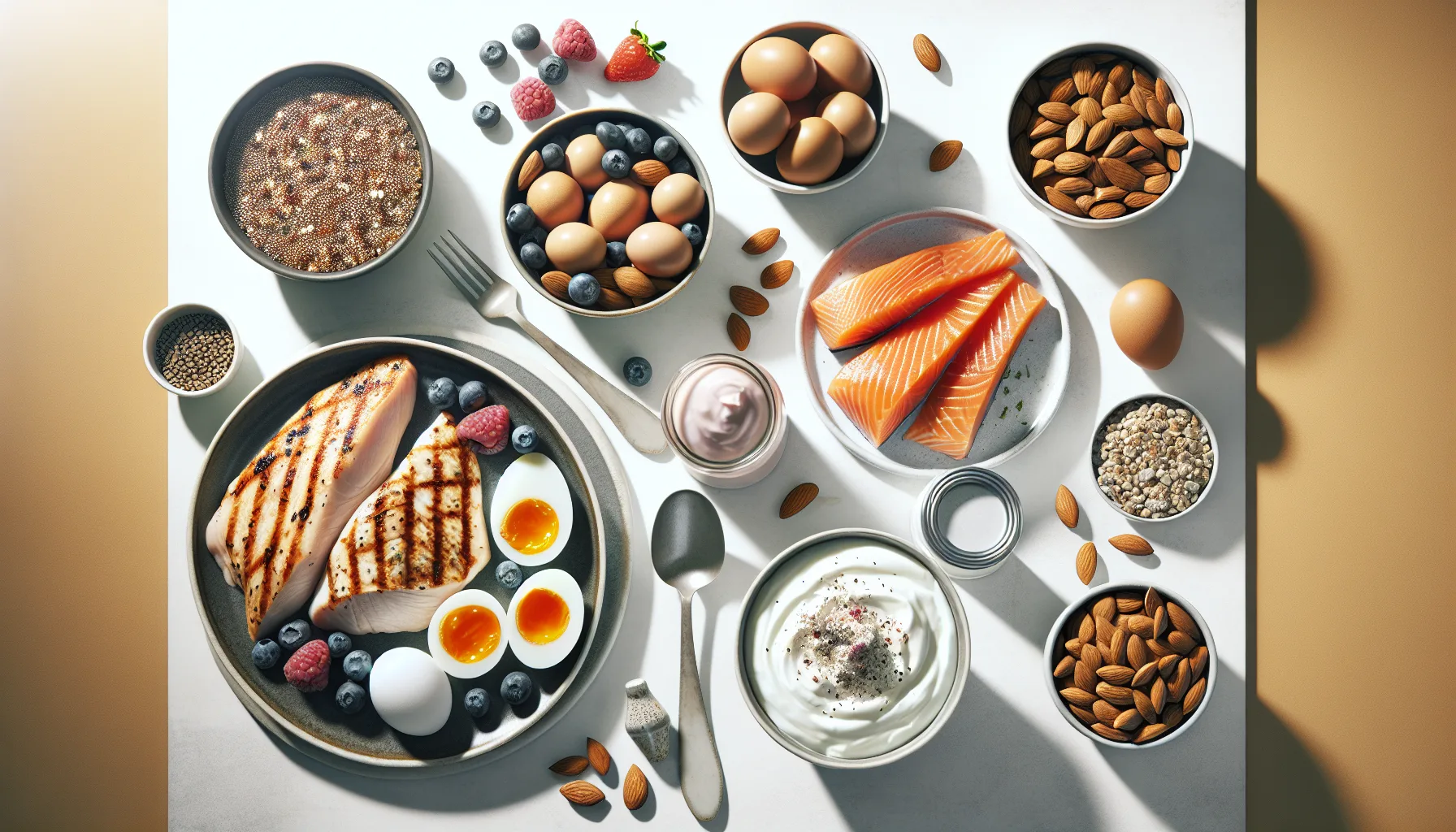
Not all protein sources are equal when it comes to weight loss. The best options are lean, nutrient-dense, and minimally processed. Here are the top choices to build your meals around:
- Chicken breast and turkey — Low in fat, very high in protein, incredibly versatile.
- Eggs and egg whites — One of the most satisfying and affordable protein sources available.
- Greek yogurt (plain, low-fat) — High in protein, great for gut health, works as a snack or meal base.
- Canned tuna and salmon — Packed with protein and heart-healthy omega-3 fatty acids.
- Lentils and legumes — Excellent plant-based options that also deliver fiber, doubling down on satiety.
- Cottage cheese — High in casein protein, making it ideal before bed to support overnight muscle repair.
- Whey protein powder — A convenient supplement when whole food options aren’t available.
Practical Tips to Hit Your Protein Goals Daily
- Start your day with a protein-forward breakfast (eggs, Greek yogurt, or a protein shake) to reduce cravings throughout the day.
- Spread protein across all three meals rather than eating most of it at dinner — research shows this maximizes muscle synthesis and satiety.
- Use meal prep to cook large batches of chicken, hard-boiled eggs, or lentils so protein-rich options are always ready.
- Add protein to snacks — pair an apple with a handful of almonds or string cheese rather than eating fruit alone.
- Read nutrition labels and aim for snacks with at least 5–10 grams of protein per serving.
Conclusion
The evidence is compelling: making protein and weight loss a central part of your nutrition strategy is one of the smartest moves you can make. By reducing hunger, boosting your metabolism, and protecting lean muscle, protein works on multiple fronts to help you lose fat more efficiently and sustainably. Start by identifying two or three high-protein meals you can add to your weekly routine, and build from there — small, consistent changes deliver lasting results.
Frequently Asked Questions
How does protein help with weight loss?
Protein supports weight loss in three main ways: it reduces appetite by lowering hunger hormones, increases the number of calories your body burns during digestion, and helps preserve lean muscle mass while you’re in a calorie deficit.
How much protein should I eat per day to lose weight?
Most research recommends 0.7–1 gram of protein per pound of body weight for adults actively trying to lose weight. For a 150-pound person, that’s roughly 105–150 grams of protein per day.
Can eating too much protein be harmful?
For most healthy adults, high-protein diets are safe. However, people with existing kidney disease should consult a doctor before significantly increasing protein intake, as the kidneys work harder to process excess protein.
Is it better to get protein from food or supplements?
Whole food sources like chicken, eggs, Greek yogurt, and legumes are always the best option because they come with additional nutrients. Protein powders and shakes are a convenient supplement when whole foods aren’t practical, but they shouldn’t replace real meals.
When is the best time to eat protein for weight loss?
Spreading your protein intake evenly across all meals — breakfast, lunch, and dinner — is more effective than loading it all into one meal. Starting the day with a high-protein breakfast has been shown to reduce cravings and total calorie intake throughout the day.