
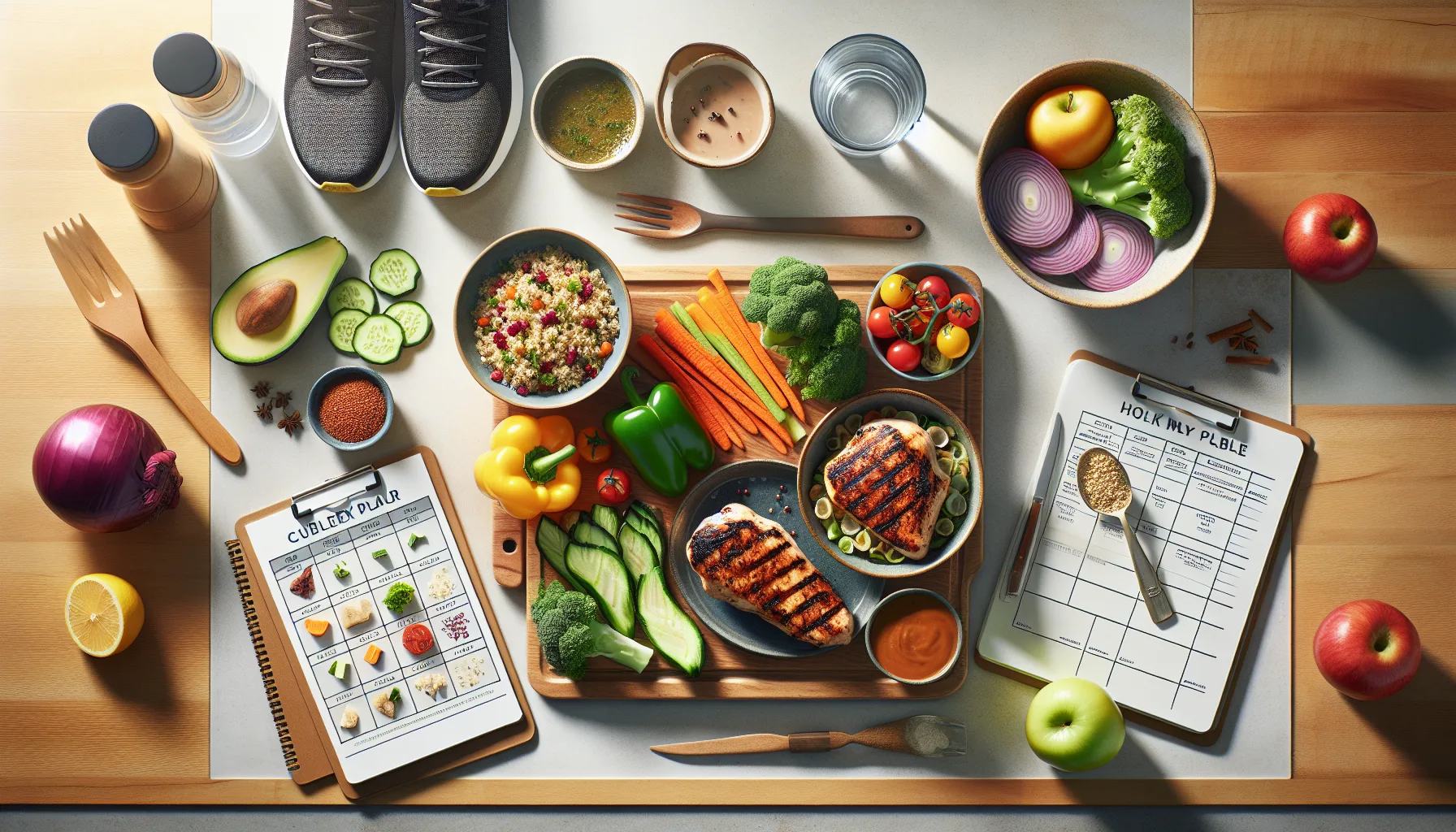
If you’ve been trying to lose belly fat and feel like nothing is working, you’re not alone. Belly fat — especially the deep visceral fat that wraps around your organs — is one of the most stubborn and health-threatening types of body fat. The good news? Science gives us a clear roadmap for tackling it effectively, and it doesn’t involve crash diets or endless crunches.
Key Takeaways
- Visceral (belly) fat is linked to serious health risks including heart disease and type 2 diabetes.
- A combination of diet, exercise, sleep, and stress management is the most effective approach.
- Spot reduction is a myth — overall fat loss is what reduces belly fat.
- Small, consistent lifestyle changes produce lasting results better than extreme diets.
Why Losing Belly Fat Matters More Than You Think
Not all body fat is created equal. The fat you can pinch on your sides — called subcutaneous fat — is relatively harmless. But visceral fat, which sits deep in your abdominal cavity surrounding your liver, pancreas, and intestines, actively releases inflammatory chemicals that raise your risk of heart disease, type 2 diabetes, and even certain cancers.
A 2022 study published in the American Journal of Clinical Nutrition found that elevated waist circumference — a reliable proxy for visceral fat — was independently associated with a 40% higher risk of cardiovascular events, even in people with a normal BMI. In other words, where you carry fat matters just as much as how much you carry.
Evidence-Based Strategies to Lose Belly Fat
1. Create a Sustainable Calorie Deficit
You cannot out-exercise a poor diet, and you can’t target belly fat with specific foods or exercises alone. The foundation of fat loss — including belly fat — is a calorie deficit: consuming fewer calories than your body burns. A deficit of 500 calories per day typically produces about one pound of fat loss per week, which research consistently identifies as a safe and sustainable pace.
To find your personal starting point, check out our guide on how many calories you need to lose weight — it breaks down the math in plain English.
2. Prioritize Protein at Every Meal
Protein is your single most powerful dietary tool for losing belly fat. A high-protein diet helps in three key ways:
- Reduces appetite by boosting satiety hormones like peptide YY and GLP-1.
- Preserves lean muscle mass during a calorie deficit, keeping your metabolism from slowing down.
- Has a higher thermic effect — your body burns more calories digesting protein than carbs or fat.
A 2023 study in the Journal of Nutrition found that participants who ate at least 25–30% of their calories from protein lost significantly more abdominal fat over 12 weeks compared to those on a standard-protein diet. Good sources include chicken breast, eggs, Greek yogurt, cottage cheese, fish, and legumes.
3. Cut Back on Added Sugar and Refined Carbs
Excess added sugar — particularly fructose from sugary drinks, pastries, and processed snacks — is strongly linked to visceral fat accumulation. Your liver converts excess fructose into fat, which tends to be deposited in the abdominal area first.
You don’t need to go zero-carb. Focus on swapping refined carbohydrates (white bread, white rice, sugary cereals) for fiber-rich whole foods like oats, quinoa, legumes, and vegetables. Fiber slows digestion, stabilizes blood sugar, and feeds beneficial gut bacteria — all of which support fat loss.
4. Add Both Cardio and Strength Training
Exercise is essential for losing belly fat — but the type of exercise matters. Research consistently shows that a combination of aerobic exercise and resistance training is more effective than either alone.
- Cardio (aerobic exercise): Activities like brisk walking, running, cycling, and swimming directly burn calories and reduce visceral fat. Aim for at least 150–300 minutes of moderate-intensity cardio per week.
- Strength training: Building muscle increases your resting metabolic rate, meaning you burn more calories even at rest. Aim for 2–3 sessions per week targeting major muscle groups.
- HIIT (High-Intensity Interval Training): A 2021 meta-analysis in the British Journal of Sports Medicine found HIIT was especially effective at reducing visceral fat, burning comparable fat to moderate cardio in roughly half the time.
Curious about when to schedule your workouts for maximum results? See our breakdown of the best time to exercise for weight loss.
5. Improve Your Sleep Quality
Sleep is the most underrated fat-loss tool in existence. Chronic sleep deprivation raises levels of cortisol (the stress hormone) and ghrelin (the hunger hormone), while lowering leptin (the fullness hormone). This hormonal trifecta drives you toward overeating — and specifically toward storing fat in the belly.
A large study published in Sleep Medicine found that adults who consistently slept fewer than six hours per night had significantly more visceral fat than those who got seven to nine hours. Prioritize sleep hygiene: keep a consistent schedule, avoid screens before bed, and keep your room cool and dark.
6. Manage Chronic Stress
Chronic stress keeps cortisol levels persistently elevated, which directly promotes visceral fat storage — particularly in the abdominal region. Stress also triggers emotional eating and cravings for high-calorie comfort foods.
Evidence-backed stress reduction strategies include mindfulness meditation, yoga, regular physical activity, time in nature, and social connection. Even 10 minutes of daily deep-breathing exercises has been shown to meaningfully lower cortisol levels over time.
7. Consider Intermittent Fasting
Intermittent fasting (IF) has emerged as one of the more promising dietary strategies for reducing belly fat specifically. By compressing your eating window, IF naturally reduces calorie intake and may improve insulin sensitivity — a key factor in visceral fat accumulation.
A 2022 review in Obesity Reviews found that IF produced reductions in waist circumference comparable to continuous calorie restriction, with some participants finding it easier to stick to long term. If you’re new to IF, our intermittent fasting beginner’s guide is the perfect starting point.
| Strategy | Primary Mechanism | Difficulty Level |
|---|---|---|
| Calorie Deficit | Drives overall fat loss | Moderate |
| High Protein Diet | Reduces hunger, preserves muscle | Easy |
| Cut Added Sugar | Reduces visceral fat storage | Moderate |
| Cardio + Strength Training | Burns fat, boosts metabolism | Moderate–Hard |
| Better Sleep | Regulates hunger hormones | Easy |
| Stress Management | Lowers cortisol, reduces cravings | Easy–Moderate |
| Intermittent Fasting | Reduces intake, improves insulin sensitivity | Moderate |
The Bottom Line
Learning to lose belly fat isn’t about finding a magic pill or doing hundreds of sit-ups — it’s about consistently applying proven lifestyle strategies that address diet, movement, sleep, and stress together. Start with one or two changes, build momentum, and add more over time. The research is clear: small, sustainable habits compound into dramatic, lasting results.
Frequently Asked Questions
Can you target belly fat specifically with certain exercises?
No — spot reduction is a myth. Exercises like crunches tone the abdominal muscles underneath but don’t directly burn the fat on top. Overall fat loss through a calorie deficit, combined with cardio and strength training, is what reduces belly fat.
How long does it take to lose belly fat?
Most people begin to notice measurable reductions in waist circumference within 4–8 weeks of consistent lifestyle changes. Significant visceral fat loss typically takes 3–6 months of sustained effort, depending on your starting point and consistency.
Are there specific foods that burn belly fat?
No single food burns belly fat, but certain foods support the process. High-fiber foods, lean proteins, green tea, and fermented foods like yogurt and kimchi have research backing for supporting fat loss and reducing inflammation associated with visceral fat.
Does stress really cause belly fat?
Yes — chronic stress elevates cortisol, a hormone that promotes fat storage specifically in the abdominal area. Managing stress through sleep, exercise, and mindfulness practices is a legitimate and important part of any belly fat reduction plan.
Is belly fat harder to lose than fat in other areas?
Visceral belly fat can actually respond well to lifestyle changes — in many cases faster than subcutaneous fat stored in the thighs or hips. Consistent cardio, a protein-rich diet, and improved sleep have all been shown to preferentially reduce visceral fat.