
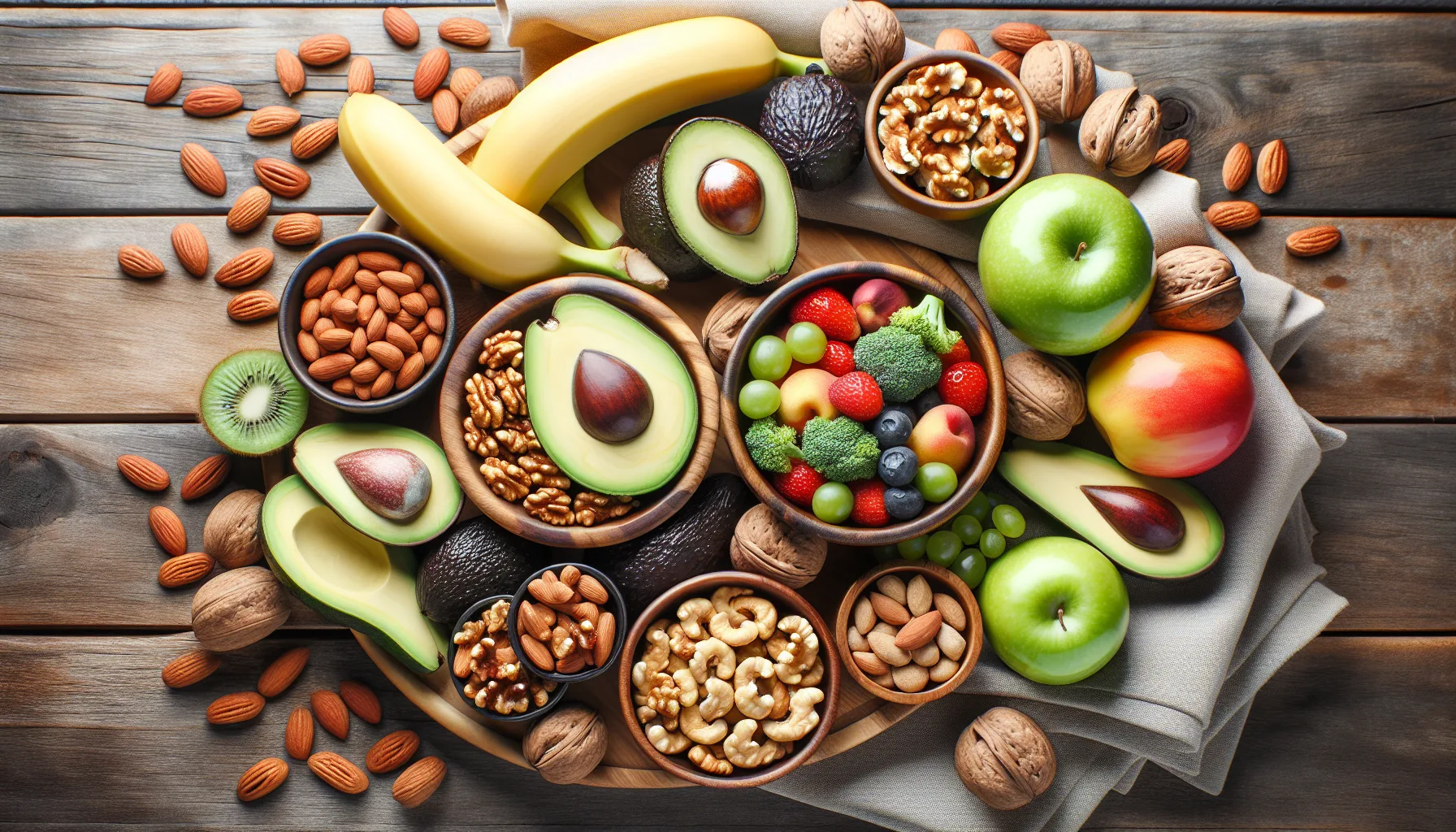
If you’ve ever tried to lose weight only to quit because you were constantly starving, you’re not alone. The good news is that achieving a calorie deficit without hunger is absolutely possible — and it’s the key to sustainable, long-term weight loss. By making smarter food choices and a few lifestyle tweaks, you can eat less without feeling deprived.
Key Takeaways
- A calorie deficit doesn’t have to mean constant hunger — food choices matter as much as food quantity.
- High-protein and high-fiber foods are your best tools for staying full on fewer calories.
- Eating habits like slowing down and managing stress can significantly reduce hunger hormones.
- Small, consistent adjustments are more effective than drastic cuts that leave you ravenous.
Why Maintaining a Calorie Deficit Without Hunger Is Possible
Many people assume that eating less automatically means feeling hungry. But hunger is largely driven by hormones, food volume, and nutrient density — not just calorie count. Two people can eat the same number of calories and have completely different hunger levels depending on what they ate. Understanding this gives you real power over your appetite.
If you’re still figuring out how many calories you actually need to lose weight, check out this helpful guide: Calories to Lose Weight: How Many Do You Need?
The Best Foods for Staying Full on Fewer Calories
1. Load Up on Protein
Protein is the most satiating macronutrient, meaning it keeps you fuller longer per calorie than carbs or fat. A 2022 study published in The American Journal of Clinical Nutrition found that participants who increased protein to 30% of their daily calories consumed significantly fewer total calories without intentional restriction.
Great high-protein options include:
- Eggs and egg whites
- Chicken breast and turkey
- Greek yogurt and cottage cheese
- Lentils, beans, and chickpeas
- Canned tuna and salmon
Learn more about how protein supports your goals: Protein and Weight Loss: How It Helps You Slim Down
2. Eat More Fiber-Rich Foods
Dietary fiber slows digestion, stabilizes blood sugar, and expands in your stomach — all of which signal fullness to your brain. A 2023 study in the Journal of Nutrition found that adults who increased fiber intake by just 14 grams per day naturally reduced their caloric intake by about 10%. Aim for at least 25–35 grams of fiber daily from sources like vegetables, fruits, legumes, and whole grains.
3. Choose High-Volume, Low-Calorie Foods
Eating foods with high water content lets you eat a larger physical volume of food for very few calories. Think leafy greens, cucumbers, zucchini, berries, broth-based soups, and watermelon. Filling half your plate with these foods at every meal is one of the simplest strategies for cutting calories without noticing.
Smart Eating Habits That Reduce Hunger
4. Slow Down and Chew Thoroughly
It takes about 20 minutes for your brain to register fullness after eating. Studies show that people who eat slowly consume up to 10% fewer calories per meal while feeling more satisfied. Put your fork down between bites, chew each mouthful thoroughly, and eliminate distractions like TV or your phone during meals.
5. Don’t Skip Meals — Especially Breakfast
Skipping meals to save calories often backfires by triggering intense hunger later in the day, leading to overeating. A regular meal rhythm helps regulate ghrelin, your primary hunger hormone. That said, some people do well with structured eating windows — if that interests you, read our guide on Intermittent Fasting for Beginners to see if it’s right for you.
6. Stay Well Hydrated
Thirst is frequently mistaken for hunger. Drinking 16 ounces of water before meals has been shown in multiple studies to reduce calorie intake at that meal by 13–22%. Aim for at least 8 cups of water daily, and consider starting each meal with a glass of water or a cup of broth-based soup.
Lifestyle Strategies That Support a Calorie Deficit
7. Prioritize Sleep
Poor sleep is one of the most overlooked drivers of hunger. When you’re sleep-deprived, your body produces more ghrelin (the hunger hormone) and less leptin (the fullness hormone). A 2021 study in Obesity Reviews found that sleeping fewer than 6 hours per night was associated with consuming an average of 385 extra calories the next day. Aim for 7–9 hours of quality sleep each night.
8. Manage Stress Actively
Chronic stress elevates cortisol levels, which increases appetite and cravings for calorie-dense comfort foods. Simple stress-reduction practices like a 10-minute walk, deep breathing, journaling, or yoga can meaningfully reduce cortisol and help you stay on track with your calorie goals.
| Strategy | Why It Works | Ease of Implementation |
|---|---|---|
| Increase protein intake | Boosts satiety hormones, reduces appetite | ★★★★★ |
| Add more fiber | Slows digestion, expands in stomach | ★★★★☆ |
| Eat high-volume foods | More food for fewer calories | ★★★★★ |
| Drink water before meals | Reduces calorie intake per meal | ★★★★★ |
| Improve sleep quality | Balances hunger and fullness hormones | ★★★☆☆ |
| Manage stress | Lowers cortisol-driven cravings | ★★★☆☆ |
Putting It All Together
Creating a calorie deficit without hunger isn’t about willpower — it’s about working with your body’s biology rather than against it. By prioritizing protein and fiber, choosing high-volume foods, hydrating well, and supporting your body with good sleep and stress management, you can consistently eat fewer calories while feeling genuinely satisfied. Start with just two or three of these strategies this week, build the habit, and the results will follow.
Frequently Asked Questions
How large should my calorie deficit be to lose weight without feeling hungry?
A moderate deficit of 300–500 calories per day is generally the sweet spot — large enough to produce steady weight loss (about 0.5–1 lb per week) but small enough to avoid intense hunger. Larger deficits tend to increase hunger hormones dramatically and are harder to sustain.
What is the single best food to eat to stay full on a calorie deficit?
Protein-rich foods like eggs, Greek yogurt, and chicken breast are consistently rated the most satiating per calorie. Pairing protein with high-fiber vegetables gives you the strongest fullness effect for the fewest calories.
Can drinking water really help reduce hunger?
Yes — research shows that drinking 16 oz of water before a meal can reduce calorie intake at that meal by up to 22%. Water adds physical volume to your stomach and also helps distinguish true hunger from thirst, which are often confused.
Why do I feel hungrier when I sleep less?
Sleep deprivation raises ghrelin (your hunger hormone) and lowers leptin (your fullness hormone), creating a double effect that drives overeating. Even one or two nights of poor sleep can meaningfully increase next-day calorie intake.
Is it okay to feel some hunger while in a calorie deficit?
Mild, occasional hunger is normal and expected when losing weight. The goal is to avoid intense, constant hunger that derails your efforts. If you’re frequently very hungry, it’s a sign your deficit may be too large or your food choices need adjustment.