
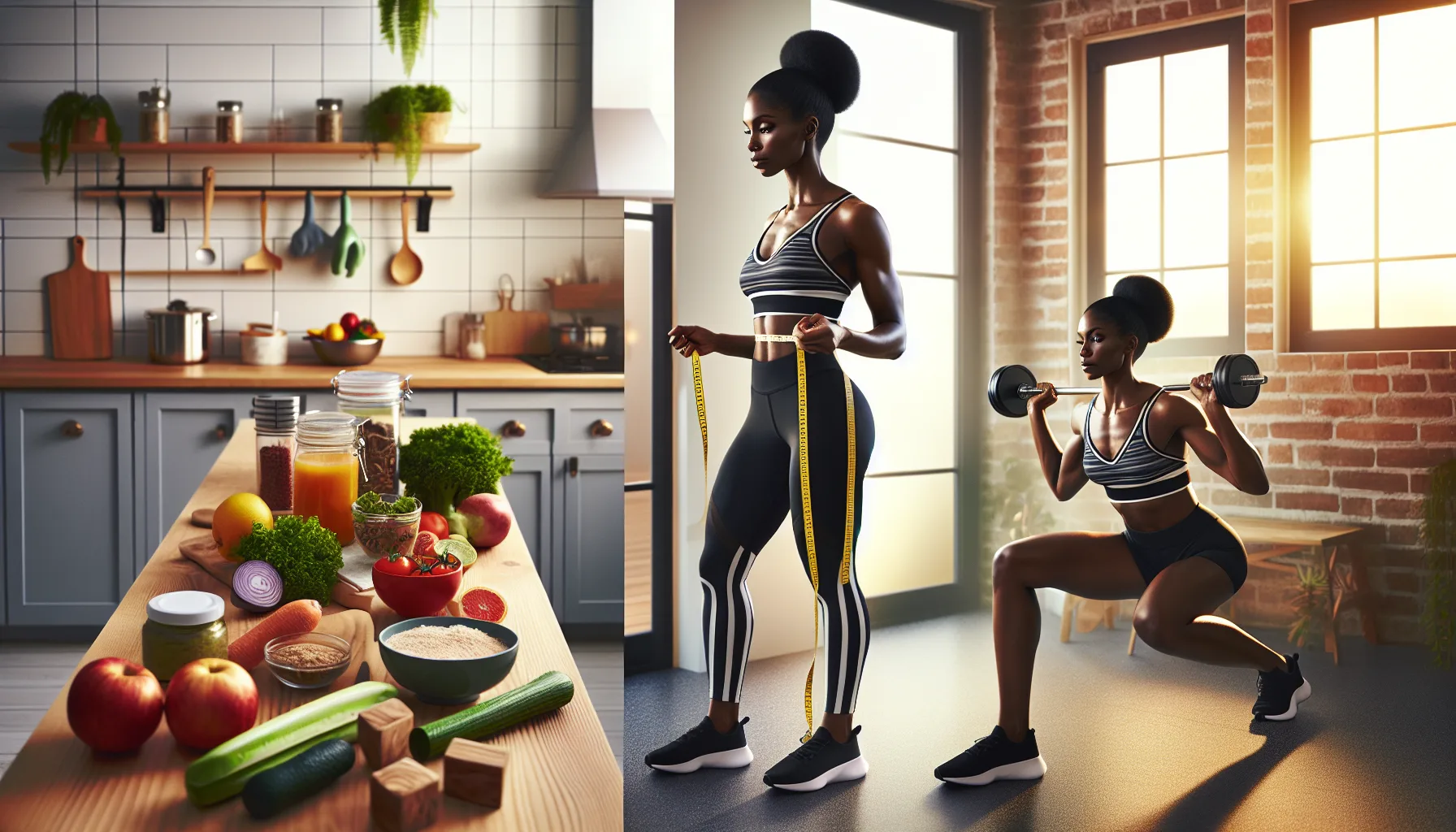
When most people say they want to lose weight, what they really mean is they want to lose fat. But fat loss vs weight loss are two very different things — and confusing the two can seriously derail your progress. Understanding this distinction is one of the most important steps you can take toward a healthier, leaner body that actually stays that way.
Key Takeaways
- Weight loss includes water, muscle, and fat — fat loss targets only stored body fat.
- The scale can be misleading; body composition is a better measure of real progress.
- Losing muscle during a diet slows your metabolism and makes weight regain more likely.
- Strategic nutrition and exercise can help you lose fat while preserving lean muscle mass.
What Is the Difference Between Fat Loss and Weight Loss?
Weight loss simply means your total body weight goes down. That number on the scale reflects everything inside you — fat, muscle, bone, water, and even the food in your digestive system. So when you crash diet or skip meals, you might see the scale drop quickly, but a big chunk of that loss is often water weight or even lean muscle tissue — not fat.
Fat loss, on the other hand, specifically means reducing the amount of stored body fat you carry while keeping (or even building) muscle. This is the goal that actually improves your health, changes how your body looks, and makes long-term weight management far easier.
Why Muscle Mass Matters So Much
Muscle is metabolically active tissue, meaning it burns calories even at rest. A 2022 study published in Obesity Reviews found that individuals who lost significant muscle mass during calorie restriction experienced a measurable drop in resting metabolic rate — making it easier to regain weight after the diet ended. This is the classic “yo-yo dieting” cycle that millions of Americans experience.
Preserving muscle while you cut calories is not just about aesthetics — it’s about keeping your metabolism healthy for the long haul. If you’re curious about why the scale sometimes stalls even when you’re eating less, check out this deep dive on why you’re not losing weight despite eating less.
How to Tell If You’re Losing Fat or Just Weight
The scale alone cannot tell you what kind of weight you’re losing. Here are smarter ways to track true fat loss progress:
- Body measurements: Track your waist, hips, chest, and thighs with a tape measure every two weeks.
- Progress photos: Visual changes in how your body looks and fits in clothes are powerful indicators.
- Body fat percentage: Tools like DEXA scans, bioelectrical impedance scales, or skinfold calipers estimate your fat-to-muscle ratio.
- Strength and energy levels: If you’re getting stronger and feeling more energetic, you’re likely preserving muscle while losing fat.
The Best Strategies to Target Fat Loss Specifically
1. Eat Enough Protein
Protein is the single most important dietary factor for preserving muscle during a calorie deficit. It also keeps you fuller longer and has a higher thermic effect — meaning your body burns more calories just digesting it. Aim for at least 0.7–1 gram of protein per pound of body weight daily. For meal ideas that hit this target, explore these high-protein low-calorie meals ready in 30 minutes.
2. Create a Moderate Calorie Deficit
Extreme calorie cuts (below 1,200 calories for women or 1,500 for men) almost always cause muscle loss. A moderate deficit of 300–500 calories per day gives your body the signal to burn fat while giving it enough fuel to preserve muscle. Learn more about finding your ideal number at calories to lose weight: how many do you need?
3. Add Resistance Training
Lifting weights or doing bodyweight resistance exercises sends a direct signal to your body to hold onto muscle even in a calorie deficit. You don’t need a gym — effective resistance workouts can be done entirely at home. Check out the best exercises for weight loss at home to get started.
4. Include Cardio Strategically
Cardio burns calories and supports cardiovascular health, but too much steady-state cardio without resistance training can eat into muscle mass. High-intensity interval training (HIIT) has been shown to burn fat effectively while better preserving lean tissue. Beginners can explore HIIT workouts for beginners for a practical starting point.
5. Prioritize Sleep and Recovery
A 2023 study in the Journal of Clinical Endocrinology & Metabolism found that sleep-deprived dieters lost significantly less fat and more muscle compared to well-rested dieters on the same calorie intake. Poor sleep spikes cortisol and ghrelin — hormones that promote fat storage and increase hunger. Getting 7–9 hours of quality sleep each night is not optional when fat loss is the goal. Dig into the science at sleep and weight loss: why rest is your secret weapon.
Fat Loss vs Weight Loss: A Quick Comparison
| Factor | Weight Loss | Fat Loss |
|---|---|---|
| What changes | Total body weight (fat, muscle, water) | Stored body fat specifically |
| Scale movement | Can drop fast initially | Slower but more sustainable |
| Metabolism effect | Can slow down significantly | Better preserved with right approach |
| Best tracked by | Scale weight | Body measurements, body fat % |
| Long-term success | Lower without muscle preservation | Much higher with proper strategy |
The bottom line is this: chasing a lower number on the scale without paying attention to what you’re losing is a recipe for frustration, muscle loss, and eventual weight regain. By shifting your focus from fat loss vs weight loss — and clearly targeting fat — you’ll build a leaner, stronger body that holds onto its results for years, not just weeks. Start with small, sustainable changes to your protein intake, training routine, and sleep habits, and the results will follow.
Frequently Asked Questions
Can you lose weight without losing fat?
Yes. Weight loss can come from water, muscle glycogen, or lean tissue — not just fat. This is why rapid weight loss from crash dieting often doesn’t improve body composition or long-term health the way targeted fat loss does.
Is it possible to lose fat while gaining muscle at the same time?
Yes, especially for beginners or people returning to exercise after a break — this is called body recomposition. It requires eating adequate protein, following a resistance training program, and managing calories carefully, and it tends to be slower than focusing on one goal at a time.
Why does the scale sometimes go up even when I’m losing fat?
Muscle is denser than fat, so as you gain muscle and lose fat your weight can stay the same or even increase slightly. Factors like water retention, hormonal fluctuations, and digestive contents also affect daily scale readings, which is why body measurements and photos are better progress tools.
How much protein do I need to preserve muscle during fat loss?
Most research supports a target of 0.7–1 gram of protein per pound of body weight per day when in a calorie deficit. Higher protein intakes help preserve lean muscle, reduce hunger, and support better metabolic outcomes during weight loss.
How long does real fat loss take to show results?
A safe and sustainable rate of fat loss is roughly 0.5–1 pound of actual fat per week, depending on your starting point, calorie deficit, and activity level. Visible body composition changes typically become noticeable after 4–8 weeks of consistent effort.