
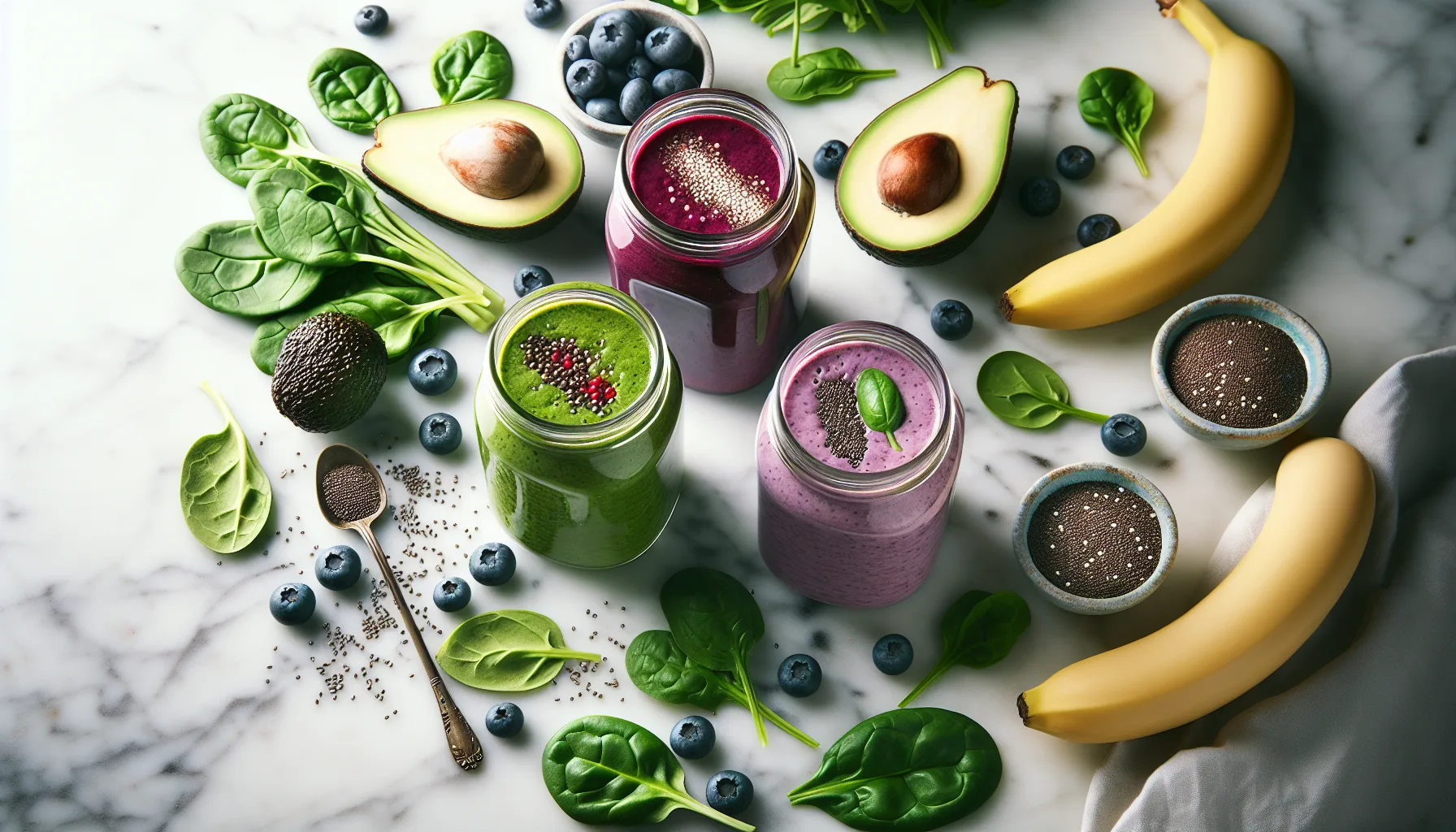
If you’re trying to shed pounds, smoothies for weight loss can be one of the smartest tools in your nutrition arsenal — but only when made the right way. Packed with protein, fiber, and metabolism-boosting nutrients, the right smoothie keeps hunger at bay, fuels your workouts, and fits neatly into a calorie-conscious lifestyle. The wrong one, however, can pack in more sugar than a candy bar. Here’s exactly what science says about building smoothies that support real, lasting fat loss.
Key Takeaways
- The best weight loss smoothies are high in protein and fiber to keep you full longer.
- Adding ingredients like spinach, chia seeds, and Greek yogurt boosts nutrition without adding many calories.
- Avoid high-sugar add-ins like fruit juice, flavored yogurt, and sweetened protein powders.
- Smoothies work best as a meal replacement, not an addition to your regular meals.
What Makes Smoothies for Weight Loss Actually Work?
A smoothie becomes a genuine weight loss tool when it delivers high satiety per calorie. A 2022 study published in Appetite found that meals high in protein and dietary fiber significantly reduced hunger and calorie intake for up to four hours after consumption. That’s the blueprint for a weight-loss smoothie: lean protein, plenty of fiber, healthy fats in moderation, and minimal added sugar.
The Non-Negotiable Ingredients
- Protein source: Greek yogurt, protein powder (whey or plant-based), cottage cheese, or silken tofu. Aim for at least 20g of protein per serving.
- Fiber base: Leafy greens (spinach, kale), frozen cauliflower, chia seeds, or flaxseed.
- Healthy fat: Half an avocado, a tablespoon of almond butter, or a small handful of walnuts.
- Low-sugar fruit: Frozen berries, green apple, or half a banana for natural sweetness without a sugar spike.
- Liquid base: Unsweetened almond milk, oat milk, or plain water — never fruit juice.
To understand how protein specifically helps with fat loss, check out this deep dive on protein and weight loss from GoFitNews.
7 Best Weight Loss Smoothie Recipes
Each of these recipes is designed to clock in under 400 calories while delivering strong protein and fiber numbers. Use them as a breakfast meal replacement or a post-workout recovery option.
1. Green Power Protein Smoothie
Blend: 1 cup spinach, 1 scoop vanilla whey protein, 1 cup unsweetened almond milk, ½ frozen banana, 1 tbsp chia seeds. ~310 calories, 30g protein, 8g fiber.
2. Berry Metabolism Booster
Blend: 1 cup mixed frozen berries, ¾ cup plain Greek yogurt, 1 cup water, 1 tbsp ground flaxseed, handful of kale. ~280 calories, 22g protein, 7g fiber.
3. Chocolate Peanut Butter Fat Burner
Blend: 1 scoop chocolate protein powder, 1 tbsp natural peanut butter, 1 cup unsweetened oat milk, ½ cup frozen cauliflower, ice. ~330 calories, 28g protein, 5g fiber.
4. Tropical Green Detox
Blend: ½ cup frozen mango, ½ cup pineapple chunks, 1 cup spinach, 1 cup coconut water (unsweetened), 1 scoop unflavored collagen peptides. ~260 calories, 18g protein, 4g fiber.
5. Avocado Matcha Smoothie
Blend: ¼ avocado, 1 tsp matcha powder, 1 cup unsweetened almond milk, ¾ cup plain Greek yogurt, 1 tsp honey, ice. ~295 calories, 20g protein, 6g fiber. A 2021 study in The American Journal of Clinical Nutrition found that catechins in matcha may support modest increases in fat oxidation during exercise.
6. High-Protein Vanilla Almond Smoothie
Blend: 1 scoop vanilla protein powder, 1 tbsp almond butter, 1 cup unsweetened almond milk, ½ cup cottage cheese, dash of cinnamon. ~350 calories, 35g protein, 3g fiber.
7. Blueberry Ginger Slim Shake
Blend: 1 cup frozen blueberries, 1-inch fresh ginger, 1 cup plain kefir, 1 tbsp chia seeds, ½ cup water. ~270 calories, 18g protein, 8g fiber. A 2023 study in the Journal of Nutrition found that daily blueberry consumption was associated with improved insulin sensitivity, which can support fat loss over time.
Smoothie Nutrition Comparison
| Smoothie | Calories | Protein | Fiber |
|---|---|---|---|
| Green Power Protein | 310 | 30g | 8g |
| Berry Metabolism Booster | 280 | 22g | 7g |
| Chocolate PB Fat Burner | 330 | 28g | 5g |
| Tropical Green Detox | 260 | 18g | 4g |
| Avocado Matcha | 295 | 20g | 6g |
| Vanilla Almond | 350 | 35g | 3g |
| Blueberry Ginger Slim | 270 | 18g | 8g |
Common Smoothie Mistakes That Sabotage Weight Loss
Even health-conscious people can accidentally turn a nutritious blend into a calorie bomb. Here are the top mistakes to avoid:
- Using fruit juice as the base — an 8-oz glass of orange juice adds ~110 calories and 21g of sugar before you’ve added a single ingredient.
- Adding too much fruit — two full bananas plus mango can push your sugar count past 50g. Stick to one small fruit serving.
- Skipping protein — a fruit-only smoothie spikes blood sugar and leaves you hungry an hour later.
- Using sweetened yogurt or protein powder — flavored yogurts often contain 15–20g of added sugar per serving.
- Drinking it too fast — sipping slowly allows satiety hormones time to activate. This is a core principle of mindful eating for weight loss.
If you’re using smoothies as part of a broader calorie-reduction plan, it helps to know exactly how many calories you need to lose weight based on your individual goals.
How to Build a Smoothie Habit That Sticks
Consistency beats perfection every time. Follow these practical steps to make weight-loss smoothies a sustainable daily habit:
- Prep smoothie packs on Sunday — portion fruits, greens, and seeds into zip-lock bags and freeze them. In the morning, just dump a bag into the blender with your liquid and protein.
- Keep a blender on your counter — out of sight means out of mind. Visibility increases habit consistency.
- Rotate recipes weekly — variety prevents boredom and ensures a wider range of micronutrients.
- Track your macros for the first two weeks using a free app like MyFitnessPal to ensure you’re hitting your protein and staying within calorie targets.
In conclusion, smoothies for weight loss are most effective when built around protein, fiber, and whole-food ingredients — not fruit juice and sugar. Choose one of the seven recipes above as your daily meal replacement, avoid the common pitfalls, and pair your smoothie habit with a consistent, calorie-aware eating plan. Small, sustainable swaps like this are exactly what move the needle on lasting fat loss.
Frequently Asked Questions
Can I drink a smoothie every day for weight loss?
Yes — drinking a high-protein, high-fiber smoothie daily as a meal replacement can support steady weight loss. The key is keeping the calorie count between 250–400 and ensuring at least 20g of protein per serving to maintain satiety.
Are green smoothies good for weight loss?
Absolutely. Green smoothies made with spinach or kale are very low in calories but high in vitamins, minerals, and fiber. Adding a protein source like Greek yogurt or protein powder makes them a complete, filling meal.
What is the best time to drink a weight loss smoothie?
Most people find the best results using a smoothie as a breakfast replacement or post-workout meal. Mornings are ideal because it sets a high-protein tone for the day and helps control hunger throughout the afternoon.
Can smoothies cause weight gain?
Yes, if made incorrectly. Smoothies loaded with fruit juice, sweetened yogurt, honey, and multiple bananas can exceed 600–800 calories easily. Always use unsweetened liquid bases, limit fruit to one serving, and prioritize protein.
Do I need protein powder in my weight loss smoothie?
Protein powder is convenient but not mandatory. You can hit your protein targets using whole foods like Greek yogurt, cottage cheese, silken tofu, or kefir. Aim for at least 20 grams of protein per smoothie regardless of the source.