
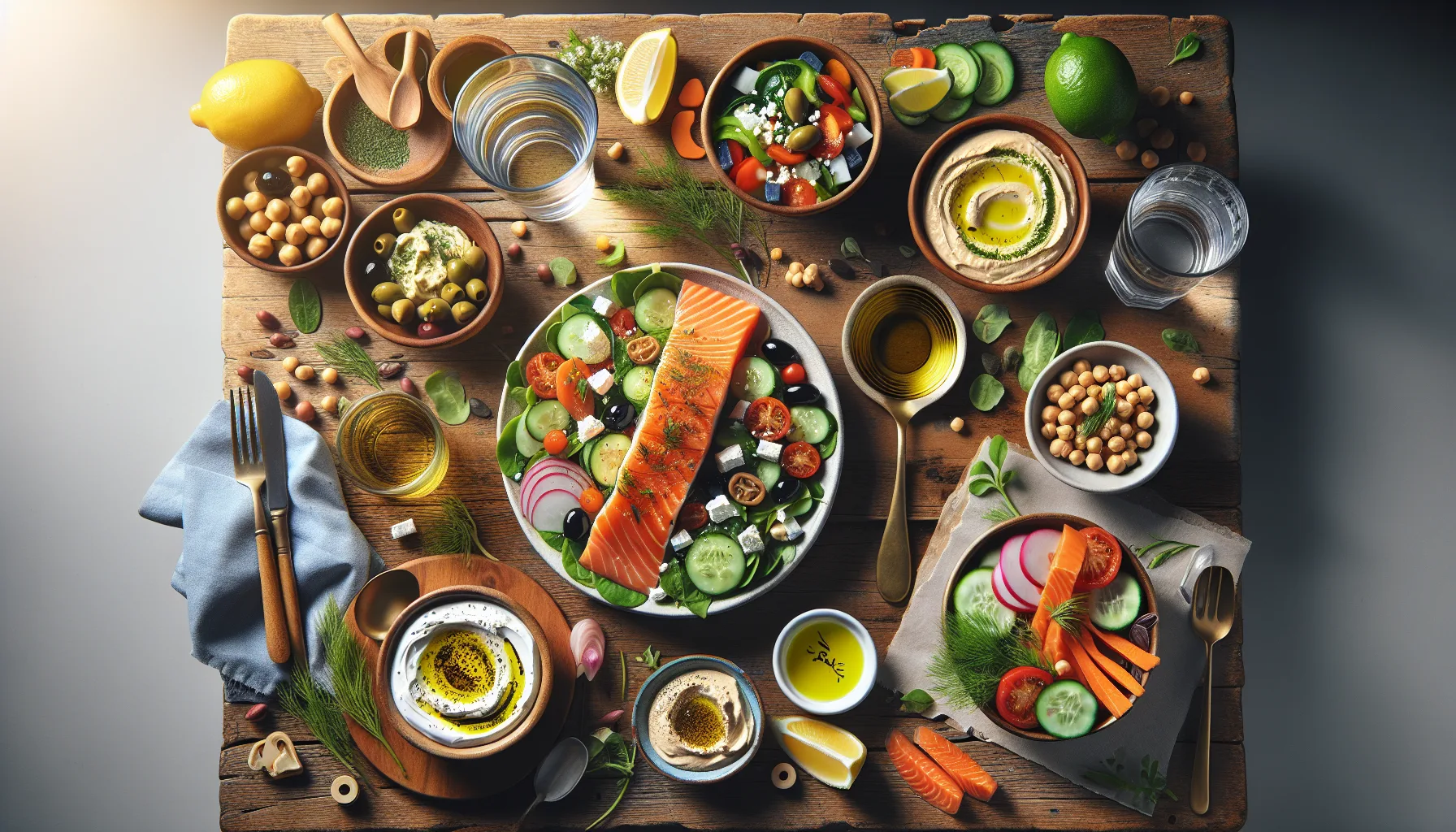
If you’ve been looking for a sustainable way to eat healthier and lose weight, Mediterranean diet recipes are one of the best places to start. Backed by decades of research, this eating style emphasizes whole foods, healthy fats, and vibrant flavors — and it’s remarkably beginner-friendly. Whether you’re brand new to clean eating or just tired of bland diet food, these recipes will show you that nutritious meals can be genuinely enjoyable.
Key Takeaways
- Mediterranean diet recipes focus on whole grains, vegetables, legumes, fish, and olive oil as core ingredients.
- A 2022 study in the New England Journal of Medicine found this eating pattern reduces cardiovascular disease risk by up to 30%.
- Most beginner recipes take 30 minutes or less and require only pantry staples.
- This diet supports gradual, sustainable weight loss without strict calorie counting.
What Makes Mediterranean Diet Recipes So Effective?
The Mediterranean diet is consistently ranked as the world’s healthiest eating pattern by nutrition experts and dietitians. Unlike restrictive diets that eliminate entire food groups, it works by crowding your plate with nutrient-dense foods that keep you full and energized. A 2023 study in the Journal of Nutrition found that adults following a Mediterranean-style diet lost significantly more body fat over 12 months compared to those on a standard low-fat diet — without feeling deprived.
The secret lies in the diet’s core components: extra-virgin olive oil, fatty fish like salmon and sardines, fresh vegetables, legumes, whole grains, nuts, and herbs. These foods are naturally rich in fiber, healthy monounsaturated fats, and antioxidants that reduce inflammation — a key driver of weight gain and chronic disease. If you’re also trying to lose belly fat, this approach is one of the most evidence-supported strategies available.
Core Pantry Staples to Stock Up On
- Extra-virgin olive oil
- Canned chickpeas, lentils, and white beans
- Whole grain pasta, farro, and brown rice
- Canned diced tomatoes and tomato paste
- Dried herbs: oregano, basil, thyme, cumin
- Feta cheese and Kalamata olives
- Fresh garlic and lemons
5 Easy Mediterranean Diet Recipes for Beginners
These five recipes are designed for people with no prior cooking experience on this diet. Each one uses simple techniques, affordable ingredients, and delivers big flavor with minimal effort.
1. Greek Chickpea Salad (10 Minutes)
Combine one can of drained chickpeas with diced cucumber, cherry tomatoes, red onion, Kalamata olives, and crumbled feta. Dress with two tablespoons of olive oil, fresh lemon juice, dried oregano, salt, and pepper. This protein-packed salad works as a lunch or a side dish and keeps well in the fridge for up to three days. For more high-protein meal ideas, check out these high-protein breakfast recipes for weight loss.
2. One-Pan Lemon Garlic Salmon (20 Minutes)
Place two salmon fillets on a baking sheet lined with parchment. Drizzle with olive oil, minced garlic, lemon zest, fresh dill, salt, and pepper. Roast at 400°F for 12–15 minutes until flaky. Serve alongside roasted asparagus or a simple tomato salad. Salmon is one of the best sources of omega-3 fatty acids, which research links to reduced inflammation and improved metabolic health.
3. White Bean and Tomato Stew (30 Minutes)
Sauté one diced onion and four garlic cloves in olive oil over medium heat. Add one can of diced tomatoes, one can of white beans, a cup of vegetable broth, and a handful of spinach. Season with smoked paprika, cumin, and red pepper flakes. Simmer for 20 minutes and serve with crusty whole grain bread. This hearty stew delivers fiber and plant-based protein that helps you stay full for hours — a natural way to maintain a calorie deficit without hunger.
4. Whole Grain Pasta with Roasted Vegetables (30 Minutes)
Toss zucchini, bell peppers, and cherry tomatoes with olive oil and roast at 425°F for 20 minutes. Cook whole grain pasta according to package directions. Combine with the roasted vegetables, a handful of fresh basil, a squeeze of lemon, and shaved Parmesan. This dish proves that pasta can absolutely fit into a healthy diet when you choose the right ingredients and portions.
5. Classic Hummus with Veggie Dippers (10 Minutes)
Blend one can of chickpeas with two tablespoons of tahini, the juice of one lemon, one garlic clove, a pinch of cumin, and three tablespoons of olive oil until smooth. Serve with sliced cucumbers, carrots, celery, and whole grain pita. Homemade hummus is far fresher than store-bought and takes less than five minutes in a blender or food processor.
Meal Planning Tips for Mediterranean Diet Success
Getting results from Mediterranean diet recipes is much easier when you plan ahead. You don’t need elaborate meal prep — even a few simple steps on Sunday can set you up for the whole week.
| Day | Lunch | Dinner |
|---|---|---|
| Monday | Greek Chickpea Salad | Lemon Garlic Salmon + Asparagus |
| Tuesday | Hummus + Veggie Wrap | White Bean and Tomato Stew |
| Wednesday | Leftover Bean Stew | Whole Grain Pasta with Roasted Veggies |
| Thursday | Greek Salad with Feta | Baked Cod with Lemon and Herbs |
| Friday | Lentil Soup | Grilled Chicken with Tabbouleh |
- Batch cook grains: Cook a large pot of farro, brown rice, or quinoa on Sunday to use throughout the week as a base for salads and bowls.
- Pre-chop vegetables: Spend 15 minutes washing and chopping cucumbers, peppers, and onions so they’re ready to grab for quick meals.
- Keep canned staples stocked: Chickpeas, lentils, and canned fish are your fast-food on this diet — nutritious, cheap, and ready in seconds.
- Use herbs generously: Fresh and dried herbs replace the need for heavy sauces and excess salt, keeping flavors vibrant and sodium low.
How Mediterranean Eating Supports Long-Term Weight Loss
Unlike crash diets, the Mediterranean approach produces steady, sustainable results. A landmark 2020 study published in PLOS Medicine followed over 32,000 adults and found that closer adherence to Mediterranean-style eating was associated with lower obesity rates and smaller waist circumference over five years. The diet’s high fiber content from legumes, vegetables, and whole grains slows digestion, stabilizes blood sugar, and naturally reduces overall calorie intake — without the mental strain of tracking every bite. Pair these recipes with mindful eating habits and you have a powerful, evidence-backed system for lasting change.
Starting with just two or three Mediterranean diet recipes per week is all it takes to begin shifting your eating habits for the better. Over time, these meals become second nature — a flavorful, nourishing way of life rather than a temporary fix. Give one recipe a try this week and experience firsthand why this is the most celebrated diet on the planet.
Frequently Asked Questions
What are the easiest Mediterranean diet recipes for absolute beginners?
Greek chickpea salad, lemon garlic salmon, and white bean stew are among the easiest to start with. They require minimal cooking skills, use pantry staples, and come together in 30 minutes or less.
Can Mediterranean diet recipes help me lose weight?
Yes. Research consistently shows that a Mediterranean-style eating pattern supports gradual, sustainable weight loss — especially around the belly. The high fiber and healthy fat content helps you feel full while naturally reducing calorie intake.
Is the Mediterranean diet expensive to follow?
Not necessarily. While fresh fish and produce can add up, much of the diet is built on affordable staples like canned beans, lentils, whole grains, eggs, and seasonal vegetables. Buying in bulk and cooking at home keeps costs manageable.
How often should I eat fish on the Mediterranean diet?
Most nutrition guidelines recommend eating fatty fish like salmon, sardines, or mackerel at least twice per week on this diet. Fish provides omega-3 fatty acids that support heart health and reduce inflammation.
Can I follow the Mediterranean diet if I’m vegetarian?
Absolutely. The Mediterranean diet is naturally flexible and plant-forward. Vegetarians can focus on legumes, whole grains, eggs, dairy, nuts, and olive oil for plenty of nutrients and protein without any meat or fish.