
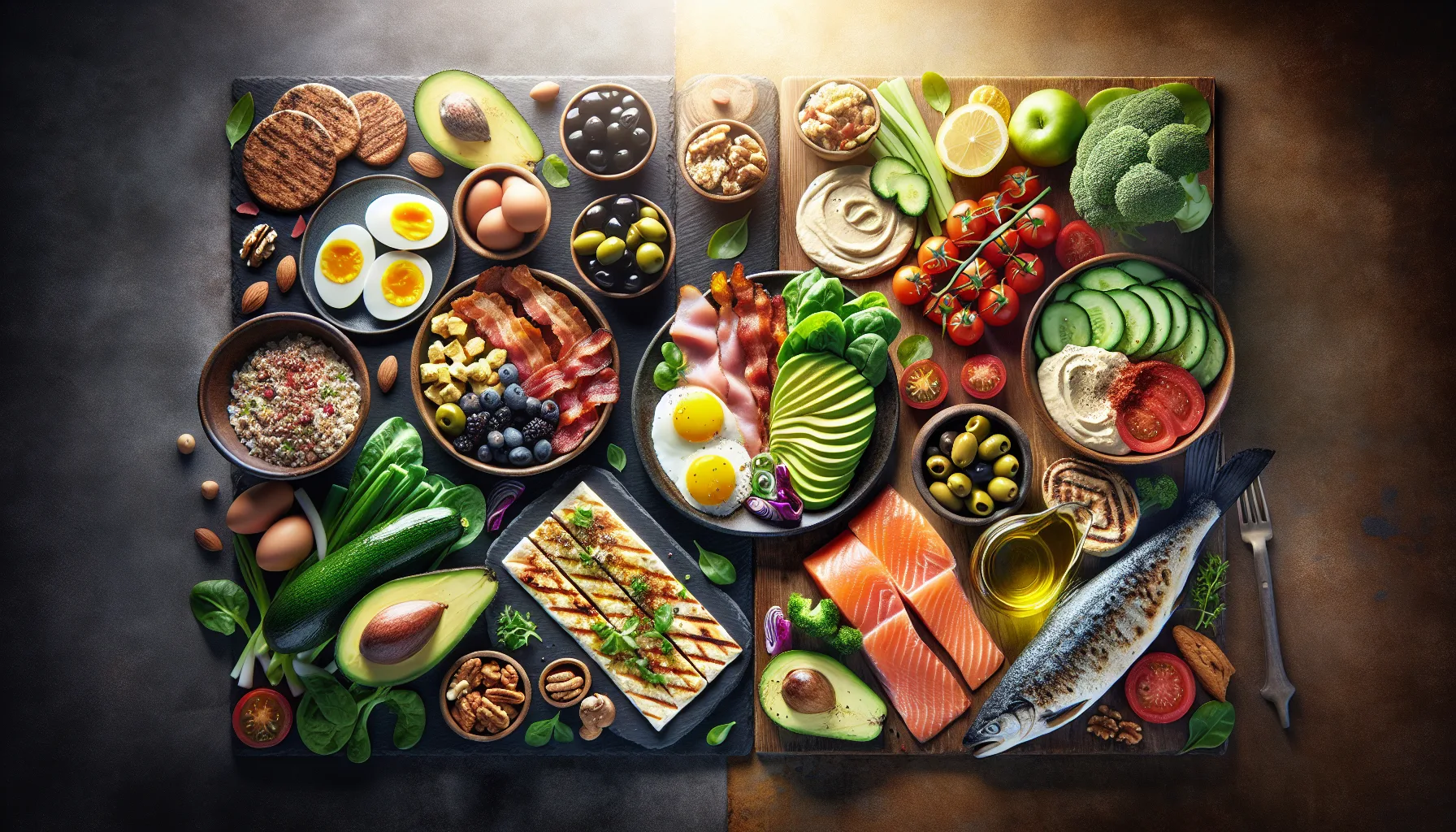
When it comes to the keto vs Mediterranean diet debate, millions of Americans are trying to figure out which eating plan will actually help them shed pounds and keep them off. Both diets have passionate followers, impressive before-and-after stories, and real science backing them — but they take completely opposite approaches to food. So which one wins for weight loss? The answer may surprise you.
Key Takeaways
- Keto produces faster short-term weight loss, largely due to water loss and appetite suppression from ketosis.
- The Mediterranean diet is more sustainable long-term and offers broader heart and metabolic health benefits.
- Research shows both diets beat a standard Western diet, but adherence is the biggest predictor of success.
- Your best diet is the one you can actually stick with — lifestyle, food preferences, and health goals all matter.
Keto vs Mediterranean Diet: How They Actually Work
Understanding how each diet functions helps explain the weight loss differences you’ll see in the research — and in real life.
The Ketogenic Diet
The ketogenic diet is a very low-carbohydrate, high-fat eating plan. Typically, you limit carbs to just 20–50 grams per day, which forces your body into a metabolic state called ketosis. In ketosis, your liver converts fat into ketones, which your body and brain use for fuel instead of glucose. This shift dramatically reduces appetite for many people and can cause rapid initial weight loss — often 5–10 pounds in the first two weeks, though much of that is water weight stored with glycogen.
The Mediterranean Diet
The Mediterranean diet is inspired by the traditional eating patterns of countries like Greece, Italy, and Spain. It emphasizes vegetables, fruits, whole grains, legumes, olive oil, fish, and moderate amounts of dairy and lean meat — while limiting processed foods, red meat, and added sugars. It’s not a strict low-calorie plan; instead, it focuses on food quality and balance. This diet is consistently ranked as one of the easiest to follow long-term. If you’re looking for beginner-friendly meal ideas, check out these Mediterranean diet recipes for beginners.
What the Research Says About Weight Loss Results
Studies comparing these two diets head-to-head offer some fascinating — and nuanced — findings.
Short-Term Weight Loss: Keto Takes the Lead
A 2022 review published in Nutrients found that ketogenic diets consistently produce greater weight loss in the first 3–6 months compared to low-fat and moderate-carb diets, including Mediterranean-style eating. The appetite-suppressing effects of ketosis play a big role here — many people naturally eat fewer calories without consciously counting them.
Long-Term Weight Loss: Mediterranean Pulls Ahead
When researchers follow participants beyond six months, the gap between the two diets narrows — and the Mediterranean diet often comes out ahead in total weight kept off. A large 2023 study in the Journal of the American Heart Association concluded that while keto showed faster early results, dropout rates were significantly higher due to the diet’s restrictive nature. Sustainable weight loss comes down to consistency, and most people find it easier to maintain a Mediterranean-style eating pattern for years rather than months. For tools that help you stay on track, explore the best weight loss apps in 2026.
| Factor | Keto Diet | Mediterranean Diet |
|---|---|---|
| Short-term weight loss (0–3 months) | ⭐⭐⭐⭐⭐ Excellent | ⭐⭐⭐ Good |
| Long-term sustainability | ⭐⭐ Difficult | ⭐⭐⭐⭐⭐ Excellent |
| Heart health benefits | ⭐⭐⭐ Mixed evidence | ⭐⭐⭐⭐⭐ Strong evidence |
| Ease of eating out / social eating | ⭐⭐ Challenging | ⭐⭐⭐⭐ Flexible |
| Appetite control | ⭐⭐⭐⭐⭐ Very strong | ⭐⭐⭐⭐ Strong (fiber-based) |
Health Benefits Beyond the Scale
Keto’s Unique Advantages
The ketogenic diet has shown real promise for specific health conditions beyond weight loss. Studies support its use for type 2 diabetes management, reducing blood sugar and insulin levels quickly. Some research also links it to improved triglyceride levels and reduced epilepsy symptoms. For people who respond well to keto, the rapid early results can also be a powerful motivator. If you need low-carb recipe inspiration to stay on track, these low-carb meal prep ideas can make the week much easier.
Mediterranean Diet’s Broader Benefits
The Mediterranean diet is arguably the most well-researched diet in the world. Decades of studies link it to reduced risk of heart disease, stroke, type 2 diabetes, and even certain cancers. Its high content of anti-inflammatory foods — olive oil, fatty fish, nuts, and colorful vegetables — supports overall health in ways that go well beyond weight loss. Learn more about the power of these foods in this guide to anti-inflammatory foods and how to use them.
How to Choose the Right Diet for You
There’s no universal winner — the best diet is the one that fits your life. Here are some practical tips to guide your decision:
- Consider your food preferences. If you love bread, pasta, and fruit, keto will feel like a punishment. The Mediterranean diet allows far more variety.
- Think about your schedule. Keto requires careful tracking and label-reading, especially early on. The Mediterranean diet is more forgiving for busy lifestyles.
- Assess your health goals. If you have type 2 diabetes or insulin resistance, keto may offer faster metabolic improvements. If heart health is a priority, Mediterranean wins.
- Start with a trial period. Try each diet for 4–6 weeks and track how you feel, your energy levels, and your results — not just the number on the scale.
- Don’t ignore the mental side. Feeling deprived leads to bingeing. Choose the diet that keeps you satisfied and in control. Tools like mindful eating strategies can help either way.
Ultimately, the keto vs Mediterranean diet question doesn’t have a single right answer. Keto can deliver impressive short-term results if you’re highly motivated and can manage its restrictions. The Mediterranean diet offers a gentler, more flexible path to lasting weight loss and overall wellness. What research consistently shows is that sticking to any quality eating plan beats jumping between diets — so choose the one you can live with, not just survive on.
Frequently Asked Questions
Which diet is better for fast weight loss — keto or Mediterranean?
Keto typically produces faster weight loss in the first 1–3 months due to water loss and strong appetite suppression from ketosis. However, much of the initial loss is water weight, and the Mediterranean diet tends to produce more sustainable results over 6–12 months.
Can I lose belly fat on the Mediterranean diet?
Yes. Multiple studies show the Mediterranean diet effectively reduces visceral (belly) fat, especially when combined with regular physical activity. Its high fiber and anti-inflammatory food content help regulate hormones linked to fat storage around the midsection.
Is keto safe to follow long-term?
Short-term keto is generally safe for most healthy adults, but long-term adherence carries some risks including nutrient deficiencies, elevated LDL cholesterol in some individuals, and kidney strain. It’s best to consult a doctor or dietitian before committing to keto for more than a few months.
Can I combine elements of both diets?
Absolutely. A ‘low-carb Mediterranean’ approach — reducing refined carbs and grains while keeping olive oil, fish, vegetables, and legumes — gives you some of keto’s metabolic benefits along with the Mediterranean diet’s long-term sustainability and health advantages.
How important is exercise when following either diet?
Exercise significantly boosts results on both diets by increasing calorie burn, preserving muscle mass, and improving insulin sensitivity. Even moderate activity like daily walking can meaningfully accelerate weight loss and improve overall health outcomes on either eating plan.