
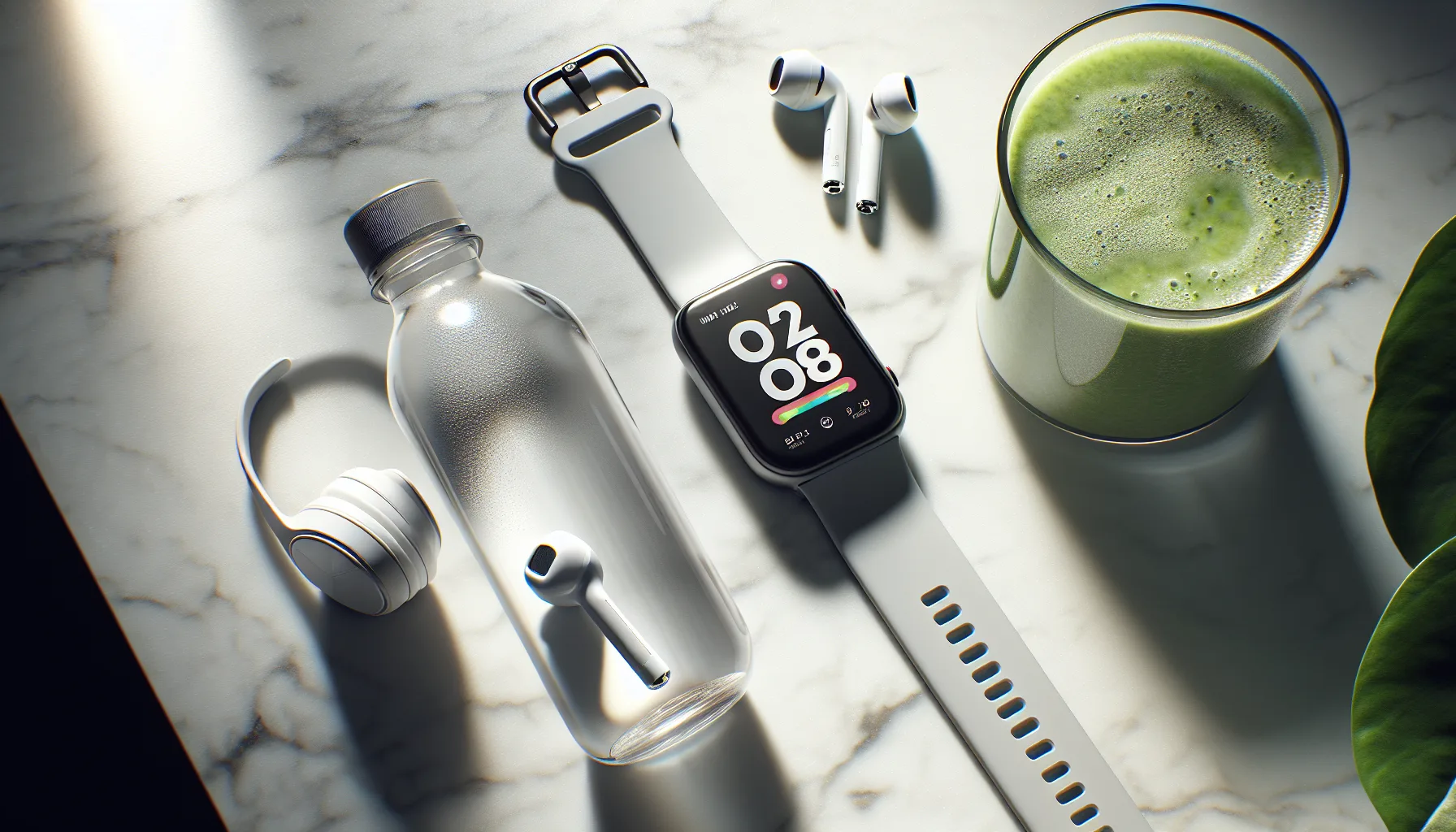
If you’ve been searching for a smarter way to shed pounds, fitness trackers for weight loss have never been more capable — or more affordable. The best devices in 2026 go far beyond counting steps; they monitor heart rate zones, track sleep quality, estimate calorie burn, and even nudge you toward healthier habits throughout the day. Whether you’re a beginner or a seasoned gym-goer, the right tracker can be the accountability partner you’ve been missing.
Key Takeaways
- The most effective fitness trackers combine calorie tracking, heart rate monitoring, and sleep analysis to support weight loss.
- Accuracy matters — look for devices with proven optical heart rate sensors and GPS for reliable data.
- Syncing your tracker with a food-logging app dramatically increases your chances of success.
- Consistency beats perfection — wearing your tracker daily builds the self-awareness that drives lasting change.
What Makes a Fitness Tracker Great for Weight Loss?
Not all wearables are created equal. When it comes to losing weight, certain features move the needle more than others. Before spending your money, it’s worth understanding which specs translate into real-world results.
Calorie Burn Estimation
Every tracker estimates calories burned, but accuracy varies widely. The best 2026 models use a combination of heart rate data, body metrics, and movement algorithms to produce estimates within 10–15% of lab measurements — a meaningful improvement over older generation devices. A 2023 study in the Journal of Medical Internet Research found that wearables with continuous heart rate monitoring produced significantly more accurate calorie estimates than those relying on step counts alone.
Heart Rate Zone Training
Knowing whether you’re in a fat-burning zone versus a peak cardio zone is genuinely useful. Most premium trackers now display real-time heart rate zones during workouts, helping you push hard enough to burn fat without overtraining. If you’re just getting started, check out our guide to HIIT Workouts for Beginners to learn how to use those zones effectively.
Sleep Tracking
Poor sleep is one of the most underrated barriers to weight loss. Research consistently shows that adults who sleep fewer than seven hours a night have higher levels of hunger hormones and are more likely to overeat. A tracker that monitors your sleep stages, restfulness, and recovery score gives you actionable data to improve this critical piece of the puzzle. For a deeper dive, read our article on Sleep and Weight Loss: Why Rest Is Your Secret Weapon.
Top Fitness Trackers for Weight Loss in 2026
Here’s how the leading devices stack up across the features that matter most for weight loss:
| Device | Best For | Battery Life | Standout Feature | Price Range |
|---|---|---|---|---|
| Garmin Venu 3S | All-day tracking | 10 days | Body Battery energy monitor | $299–$349 |
| Fitbit Charge 7 | Beginners & budget | 7 days | Daily Readiness Score | $159–$179 |
| Apple Watch Series 10 | iPhone users | 36 hours | Workout detection & ECG | $399–$499 |
| Whoop 5.0 | Recovery-focused users | 5 days | Strain & recovery coaching | Subscription model |
| Samsung Galaxy Watch 7 | Android users | 3–4 days | BioActive Sensor & body composition | $299–$329 |
Best Budget Pick: Fitbit Charge 7
For anyone new to fitness tracking, the Fitbit Charge 7 remains a top recommendation. Its Daily Readiness Score tells you whether your body is primed for a hard workout or needs a rest day — a feature that prevents the overtraining burnout that derails so many weight loss efforts. The Fitbit app also makes calorie logging straightforward, which brings us to one of the most important habits you can build.
Best Premium Pick: Garmin Venu 3S
Garmin’s Body Battery feature is genuinely impressive — it aggregates heart rate variability, stress levels, and sleep data into a single energy score from 0 to 100. On days when your score is low, it recommends lighter activity. On high-energy days, it encourages you to push. For long-term weight loss, this kind of nuanced guidance is worth the investment.
How to Use Your Fitness Tracker to Actually Lose Weight
Owning a tracker is only half the equation. Here’s how to use it as a genuine weight loss tool rather than an expensive step counter:
- Set a realistic daily step goal. Most adults benefit from working up to 8,000–10,000 steps per day. Start where you are and increase by 500 steps per week.
- Use calorie data to create a deficit. Your tracker’s estimated daily burn gives you a baseline. Aim to eat 300–500 fewer calories than that number to lose roughly 0.5–1 pound per week safely. Our guide on Calorie Deficit Without Hunger can help you do this without feeling deprived.
- Track your active minutes, not just steps. The CDC recommends 150 minutes of moderate-intensity activity per week for weight management. Use your tracker’s active minutes feature to hit that target consistently.
- Monitor your resting heart rate trend. As you get fitter, your resting heart rate drops. Watching this number decrease over weeks is one of the most motivating signs of real progress.
- Act on your sleep data. If your tracker shows poor sleep quality, make changes — reduce caffeine after 2 PM, dim lights before bed, and aim for a consistent sleep schedule.
Pairing Your Tracker with the Right Habits
A fitness tracker works best as part of a broader healthy lifestyle. The data it provides is only as powerful as the habits it inspires. For example, if your tracker reveals you’re burning fewer calories than expected, it might be time to explore new workouts. Our roundup of Best Exercises for Weight Loss at Home offers easy, equipment-free options that pair perfectly with any tracker’s workout logging features.
On the nutrition side, combining your activity data with mindful eating habits amplifies results. Many tracker apps integrate directly with food logging platforms, making it easy to see your calorie balance in one place. You should also consider checking out the Best Weight Loss Apps in 2026 to find a food tracker that syncs seamlessly with your device.
The bottom line: fitness trackers for weight loss are most effective when they change your behavior, not just measure it. Choose a device that fits your budget and lifestyle, wear it consistently, and let the data guide smarter decisions every single day. With the right tracker on your wrist and the right habits in place, 2026 could be the year your weight loss goals finally stick.
Frequently Asked Questions
Do fitness trackers actually help with weight loss?
Yes — research shows that people who use fitness trackers lose significantly more weight than those who rely on diet changes alone. The key is using the data to make smarter decisions about activity, calorie intake, and sleep.
Which fitness tracker is most accurate for calorie counting?
Garmin devices consistently rank among the most accurate for calorie burn estimation, thanks to their advanced heart rate algorithms. However, no tracker is perfectly accurate — use the numbers as a useful guide rather than an exact measurement.
Can I use a fitness tracker without a smartphone?
Most trackers require a smartphone for initial setup and full app functionality, but many — including Garmin and Fitbit models — store data onboard and sync later. Some Apple Watch models can operate independently with a cellular plan.
What is the best budget fitness tracker for weight loss in 2026?
The Fitbit Charge 7 offers excellent value for weight loss goals, with reliable heart rate monitoring, a Daily Readiness Score, calorie tracking, and a user-friendly app — all for under $180.
How long does it take to see weight loss results using a fitness tracker?
Most people notice meaningful changes within 4–8 weeks when they consistently act on their tracker’s data. Combining activity tracking with calorie awareness and improved sleep habits tends to produce the fastest results.